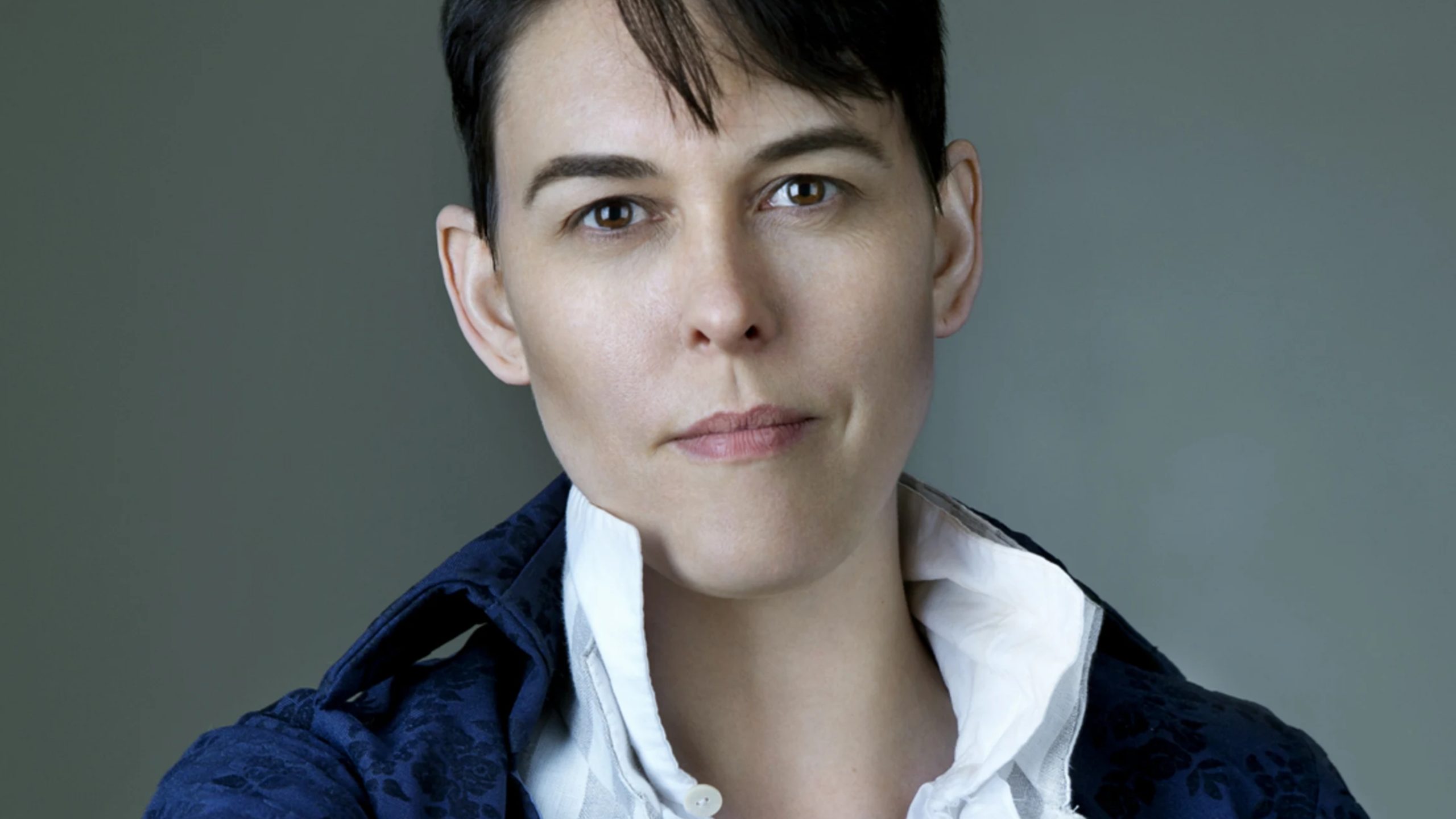
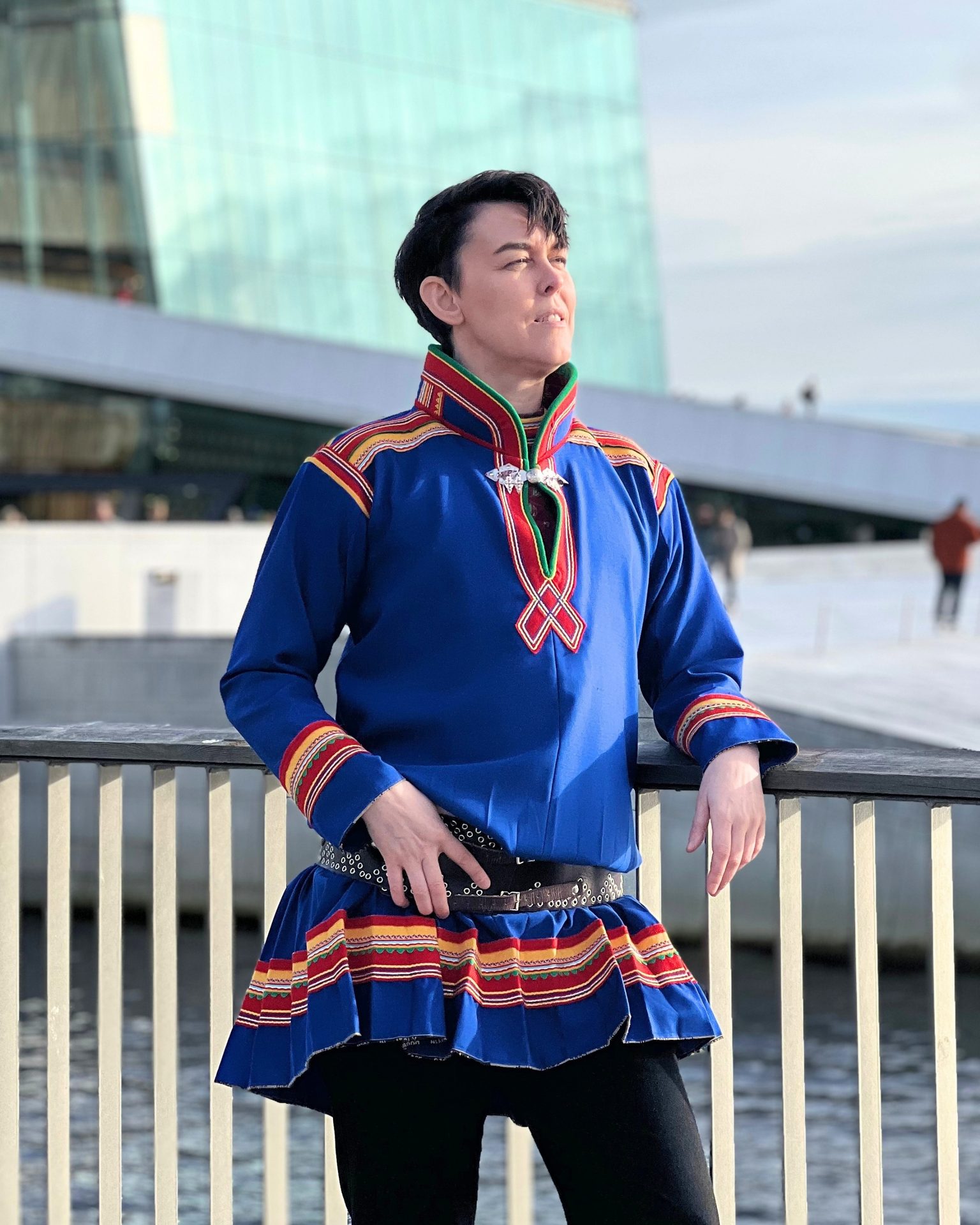
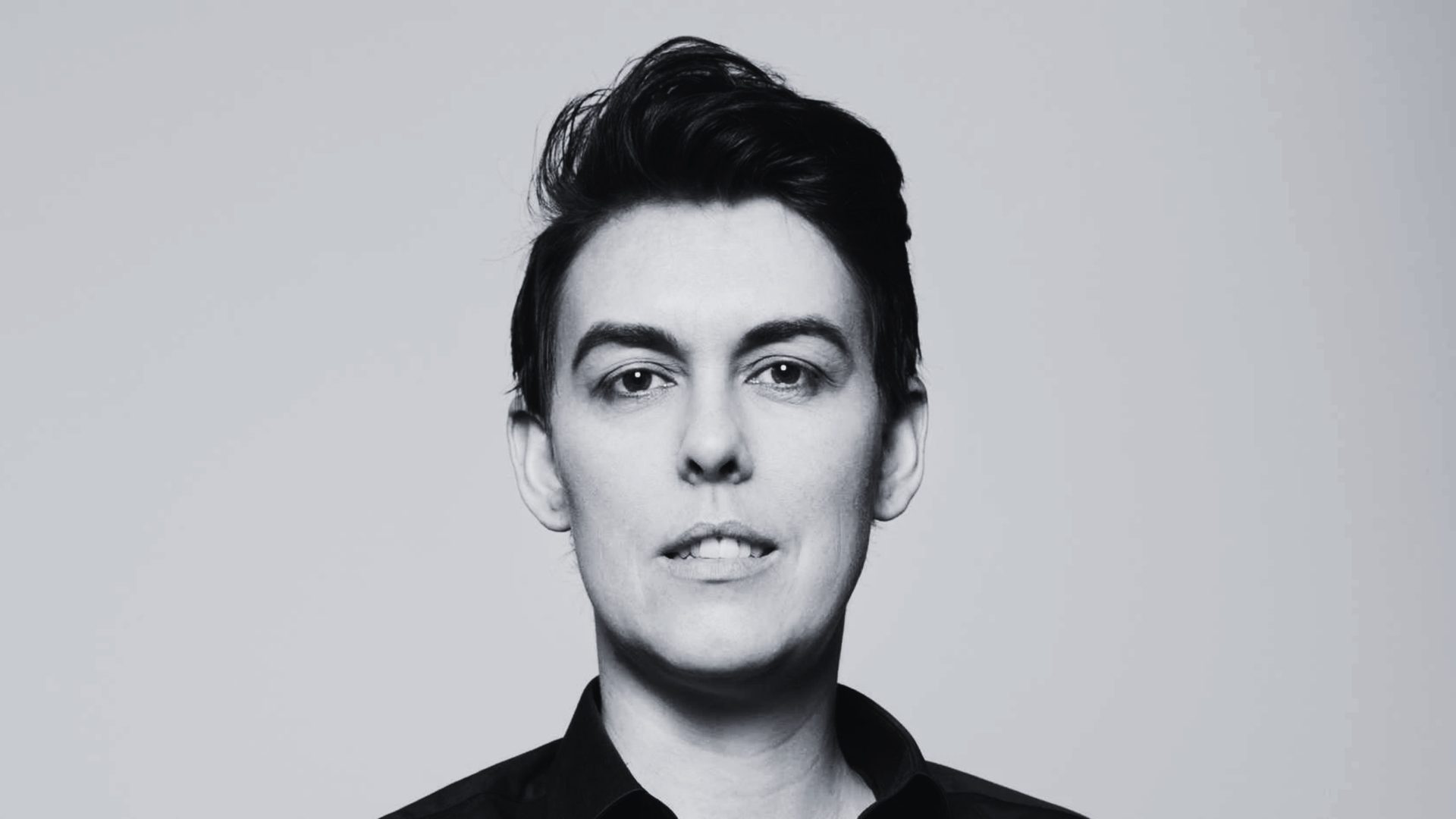
Adrian Angelico is a Sámi-Norwegian opera singer bringing Indigenous voice, language, and memory to global stages.
For Angelico, singing in Sámi is more than performance. It is a way of making an ancestral culture visible on stages that once shut it out.
“Sami culture is not something from the past. It is still here.”
What does it mean to bring Sámi identity into classical music?
Carrying my ancestors into rooms where our voices were once excluded. Singing in Sami became a way to reclaim a language taken from my family through forced assimilation, one I began relearning through music.
How do you bring Indigenous music into classical tradition?
Opera has a colonial, patriarchal history.
Bringing Indigenous music, melodies, and languages into it is a way to reconcile that history and expand what classical repertoire is allowed to be.
How do you stay faithful to Sámi vocal traditions?
You can’t carry something you haven’t listened to.
Staying faithful to Sami vocal traditions means understanding yoik and continuing to learn from yoikers who carry the memories and history of our ancestors.
What should people understand about Sámi culture and yoik?
Yoiks are among Europe’s oldest music forms. They are not about something. They are something: melodic names, souls, memories, and traditions that survived cultural genocide.
How do you represent identity without being reduced by it?
Representation matters, but it should always be on your own terms.
I am human, Sami, nerd, singer, and gamer. I want to show the different colours of myself when I choose to, without needing to explain or reduce any part of who I am.
Register for the chance to be invited to apply to The Global Artist Diploma