Deutsche Grammophon artist Meredi has developed a musical language that moves between contemporary classical composition, electronics, voice, and the pulse of Berlin club culture.
Artist Playbook caught up with the German-Armenian musician to explore the creative process behind one of the most distinctive new sounds in the field.

“Music comes to me the way it wants to be produced.”
You’ve described hearing music in your head until it becomes too loud to ignore. When did you realize composing could bring that sonic imagination to life?
Bringing the music in my head to life gives me a feeling of home. I was lucky that we had a piano at home that I connected to before I could even speak, my mom said. I got addicted to bringing the music in my head to life. It gave, and still gives, me a feeling of home.
You came through formal composition in Berlin while also being shaped by electronics and club culture. How did moving between those worlds shape you?
I realized I could compose both worlds together. The constant escapism in those places shaped me into a source of transcendental music. I always envied the electronic world: its “fun,” its trance effect, its compositions. I thought classical and electronic were opposite worlds I could never bridge, until I realized they’re mostly different arrangements, and that I can compose both together. I’m on that path now.
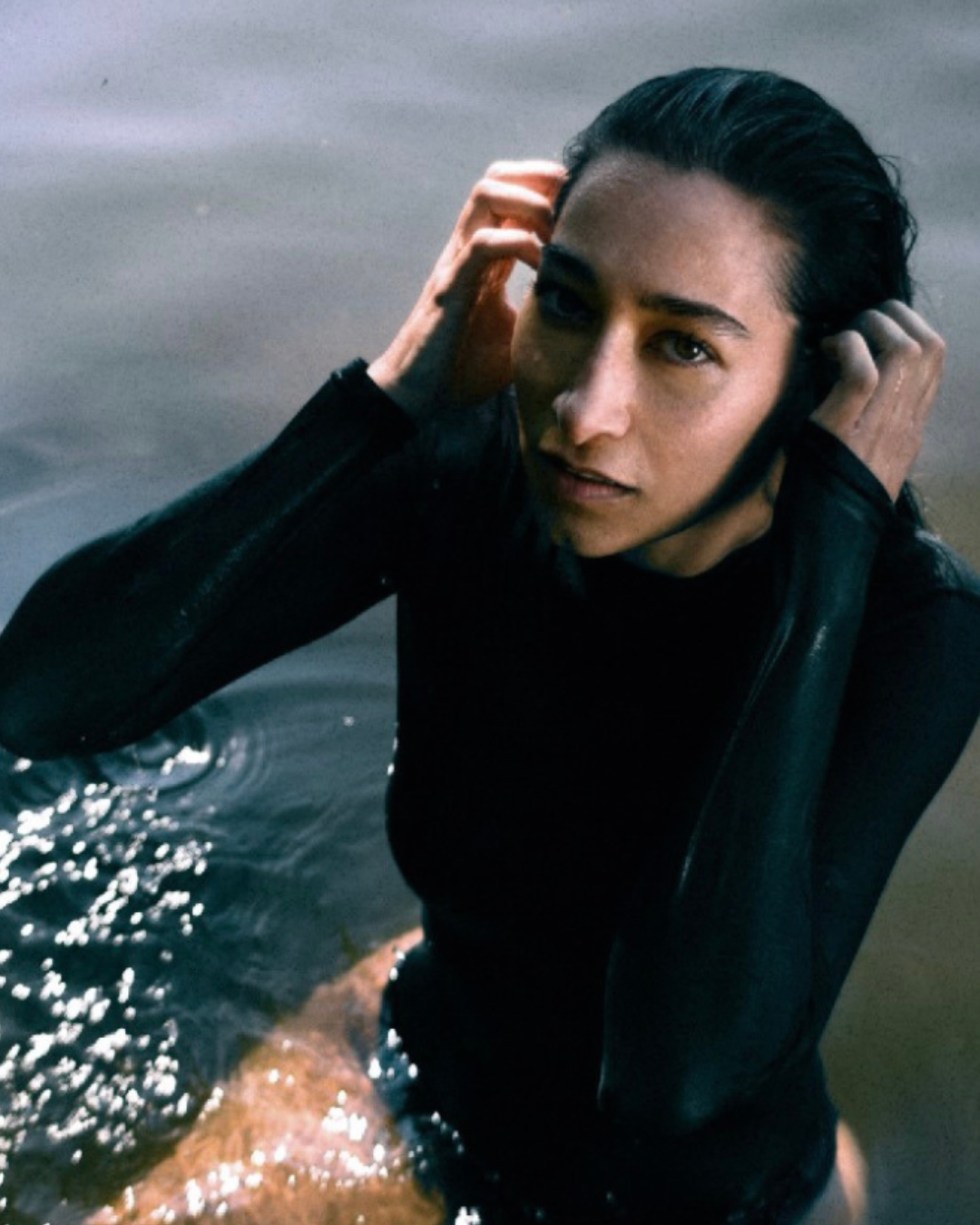
Your Armenian heritage seems increasingly present in your work. What led you to share that part of yourself more deeply?
It’s part of my constant search for home. Armenia, being part of my heritage, became a source of inspiration, even though I couldn’t find a home there. The longing of the diaspora is something I will carry within me forever.
Your own voice has become another element in your compositions. How does singing change your relationship to the music?
My melodies are always like sung melodies. I did sing a lot as a kid and then lost my voice for 10 years, until a specific event led me to feel the need to speak out not only in music but, more specifically, in words.
Your work seems increasingly free from genre and format. How do you balance that freedom with the creative energy that can come from constraints?
I don’t think in genres. I don’t need clear constraints. Music comes to me the way it wants to be produced. I don’t make that decision.