Leon Spierer
Performance Institute
6-month Global Artist Diploma

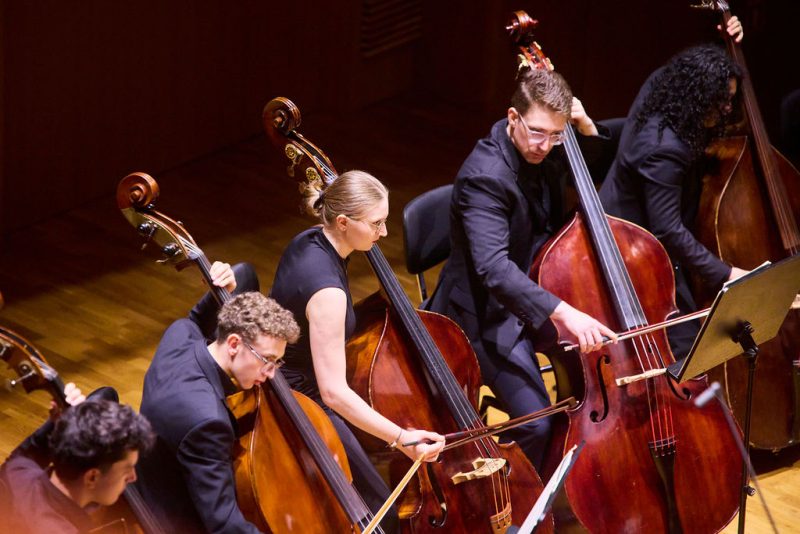
About OAcademy’s Performance Institute
OAcademy’s six-month Global Artist Diploma for rising orchestral musicians brings advanced training to the standards and pace of professional life.
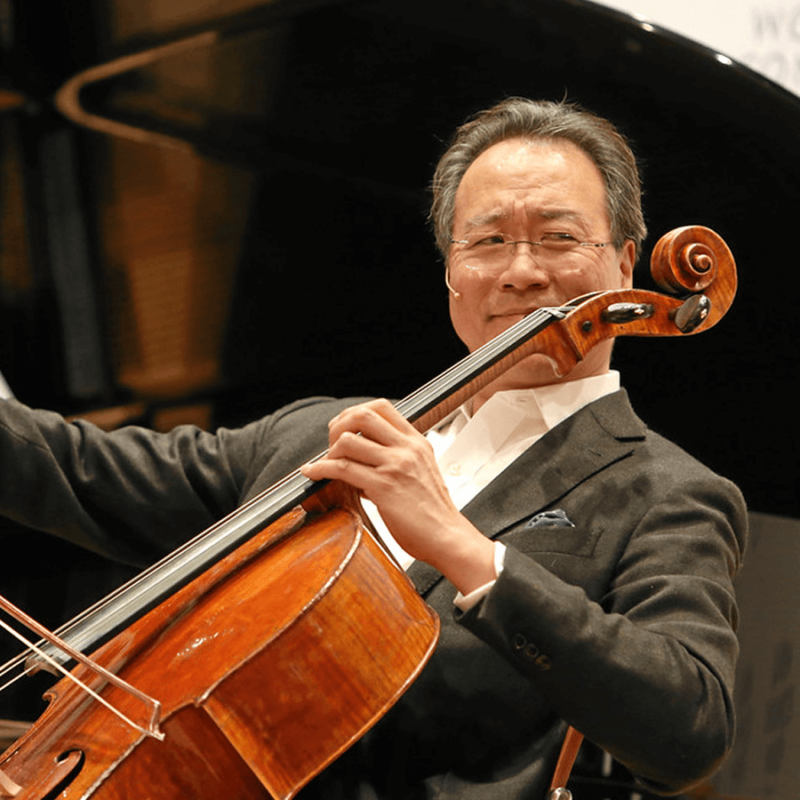
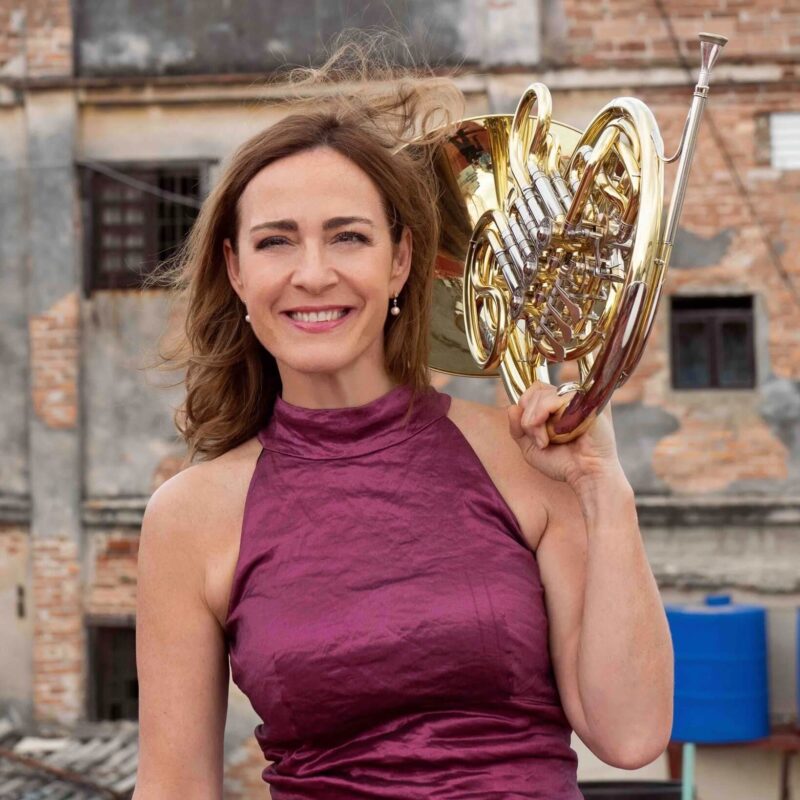
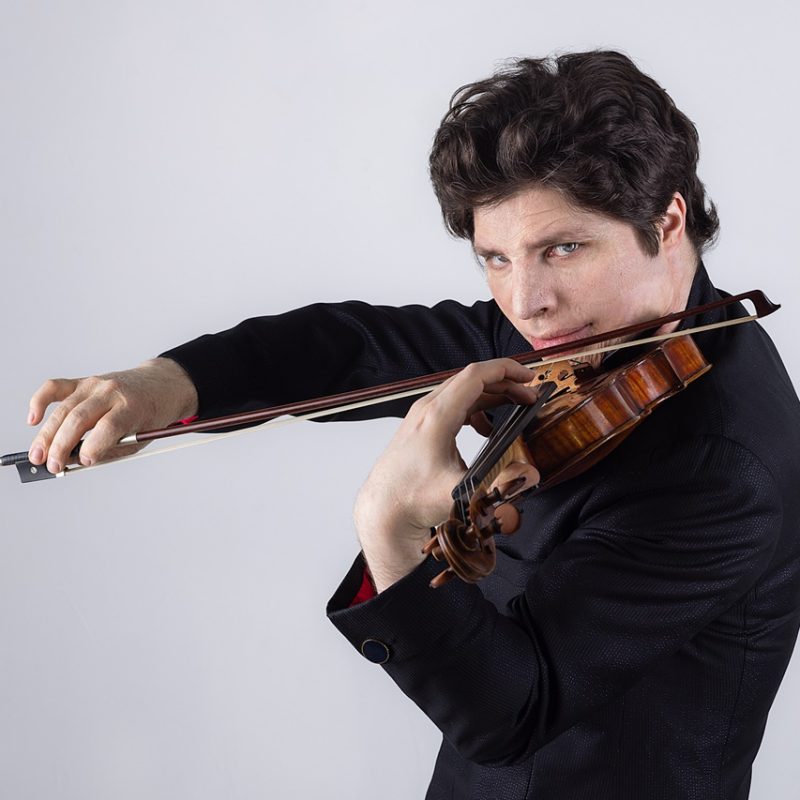
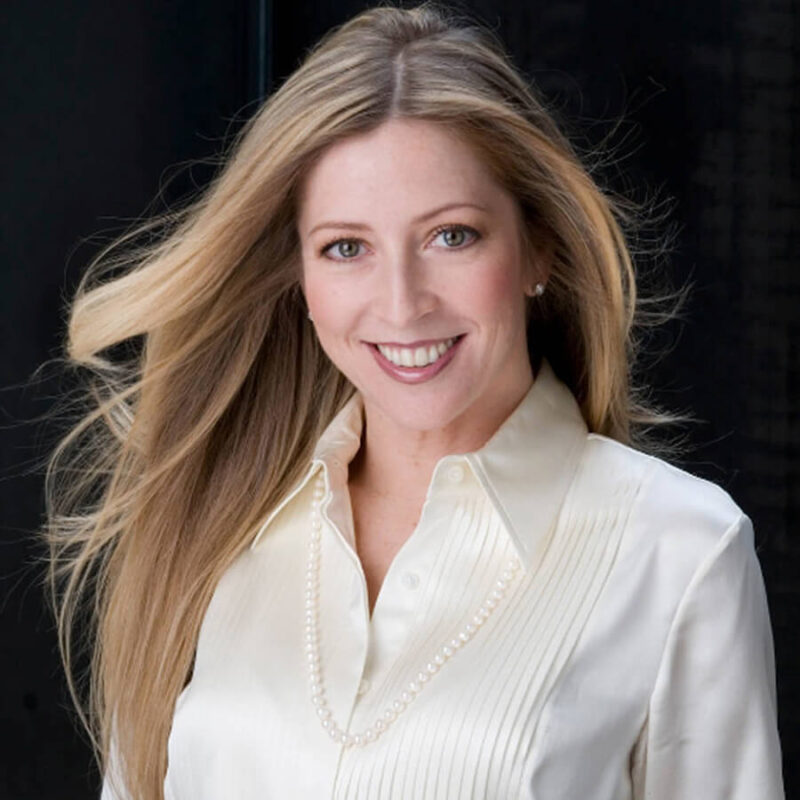
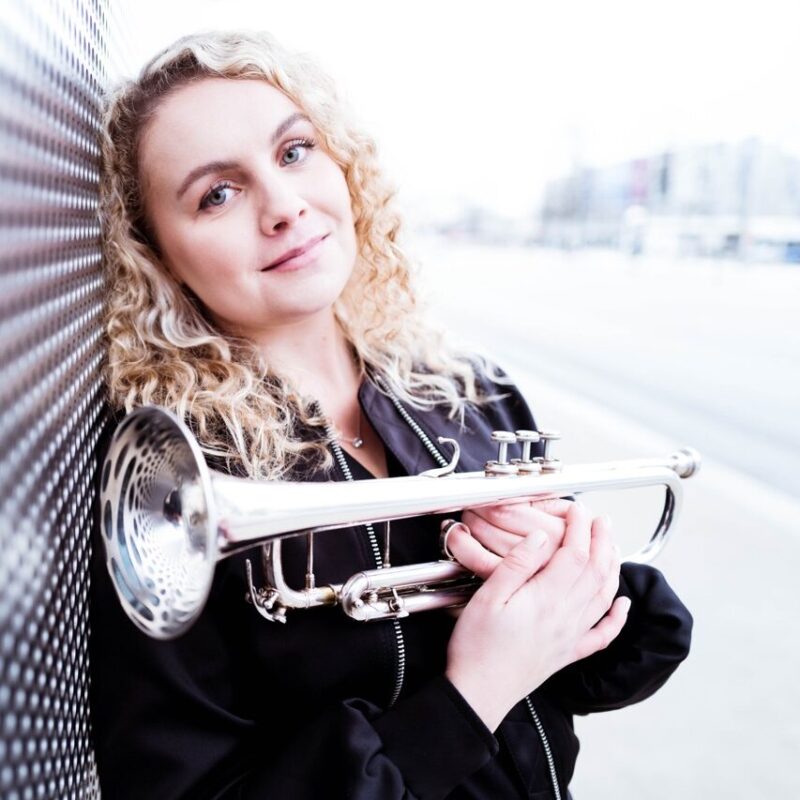
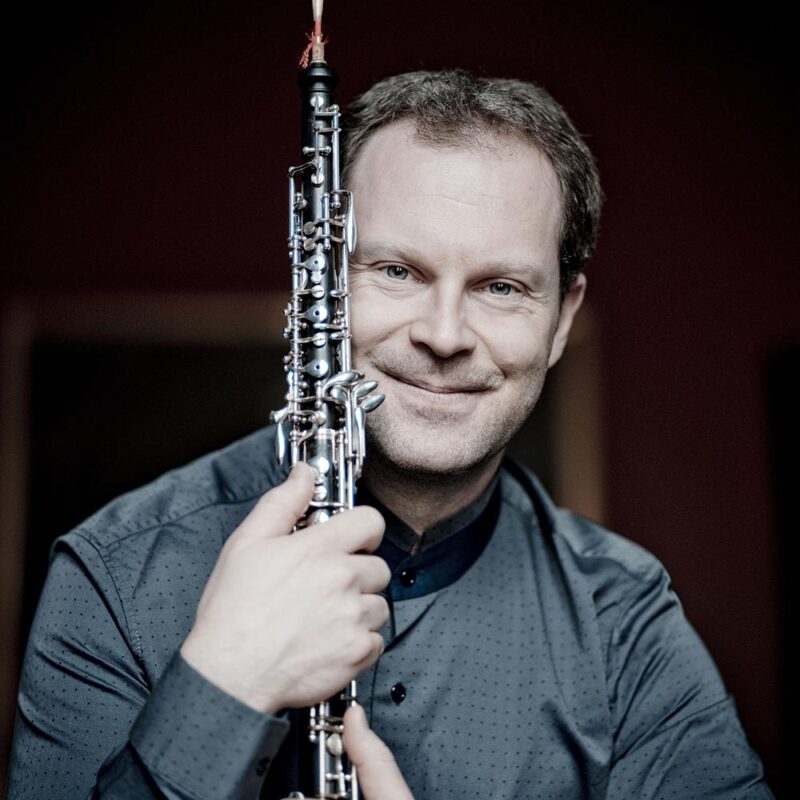
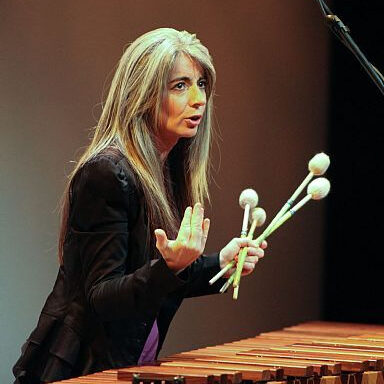
The experience is shaped by a studio faculty of soloists and principals from leading institutions including the Royal Concertgebouw Orchestra, the Metropolitan Opera, the Mahler Chamber Orchestra, and other top ensembles across the international field. It features artists like Yo-Yo Ma, Marin Alsop, Augustin Hadelich, and Evelyn Glennie. OAcademy is part of the European Association of Conservatories.
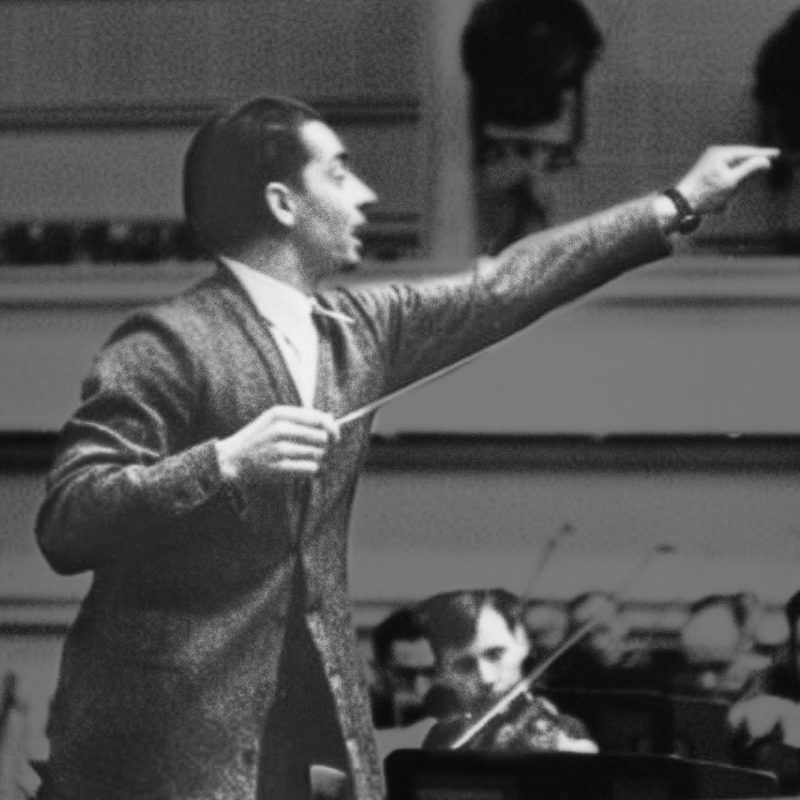
The Performance Institute is named in honor of Leon Spierer, OAcademy’s founding Head of Faculty and one of the most distinguished concertmasters of the twentieth century, who served as First Concertmaster of the Berlin Philharmonic from 1963 to 1993, including twenty-six years under Herbert von Karajan.
Spierer’s lifelong approach to mentoring OAcademy Fellows continues to shape every aspect of the Global Artist Diploma experience.
The Global Artist Diploma
The Global Artist Diploma is built for musicians seeking training aligned with the demands of the profession. Over six months, fellows deepen their playing, sharpen their musical instincts, and strengthen the skills that matter in the field.
The curriculum centers on advanced technique and musicianship, alongside audition preparation, media training, professional networking, and career development. The format combines online study with optional residencies, allowing close work with established artists while building an international peer network.
The diploma includes six core components and concludes with final assessments.
The academic cycle runs from January through late June. The schedule is designed for both students and working musicians, with around five hours of live group sessions each week, regular studio classes, flexible individual lessons, and independent practice.
Faculty

The Learning Journey
Work directly with soloists and principals from leading orchestras on interpretation, technique, and stage presence.
Work in bi-weekly small-group sessions with Studio Heads on technique, repertoire, interpretation, and peer feedback.
Explore core repertoire in sessions with international conductors, covering musical interpretation, excerpts, and artistic decision-making.
Learn science-based tools for managing performance anxiety, building resilience, strengthening focus, and optimizing practice.
Take part in workshops on musical communication, ensemble leadership, rehearsal dynamics, and collaboration in orchestral and chamber settings.
Build skills in creative entrepreneurship and project design, and learn to develop artistic initiatives with relevance beyond the stage.
Develop artistic identity, portfolio, social media strategy, and public communication skills through practical career-focused sessions.
Take part in live assessments before an international panel of leading industry and arts-world figures with detailed feedback.
Take part in optional in-person intensives with rehearsals, workshops, performances, and cultural exchange in leading international music centers.