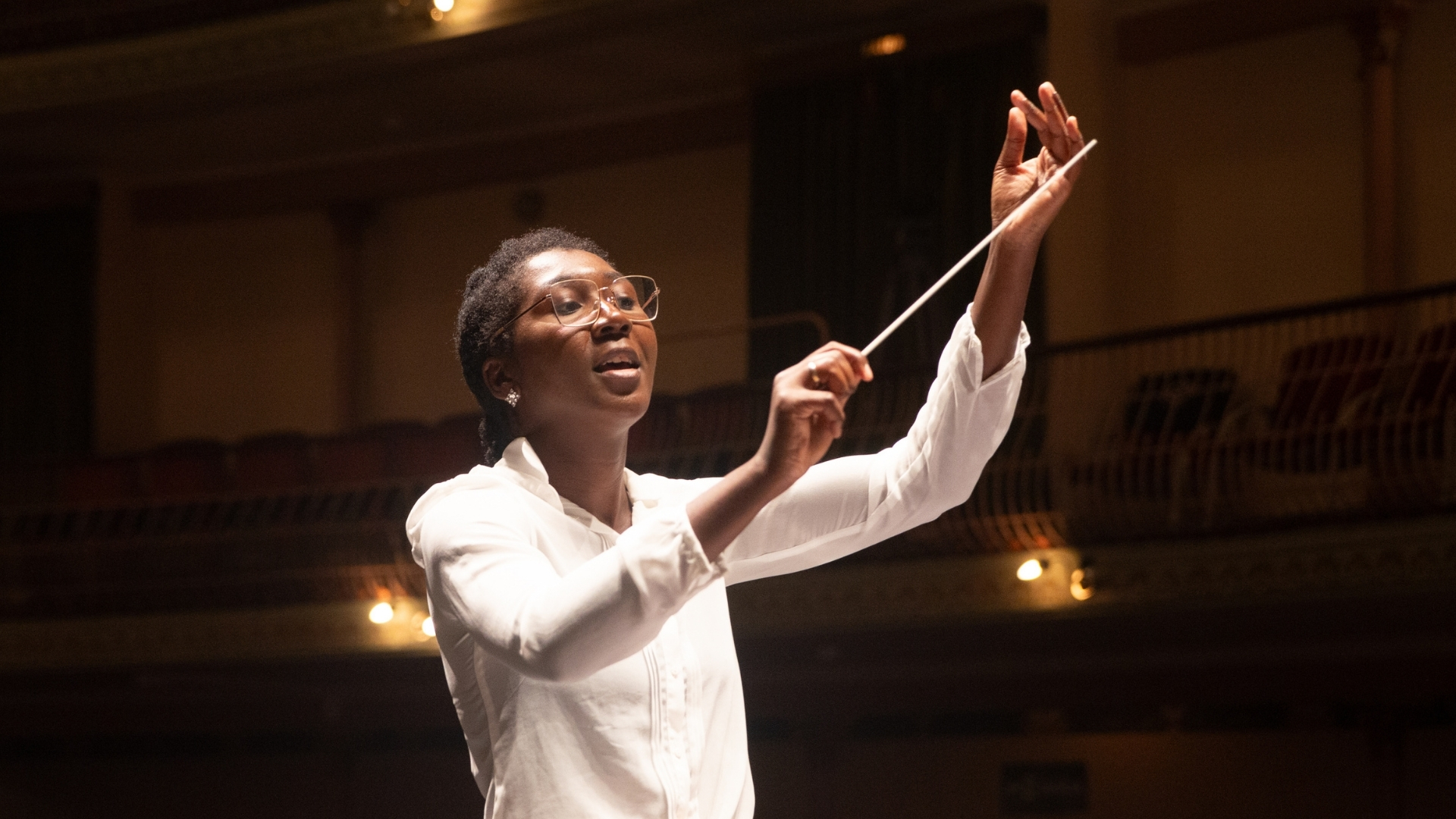
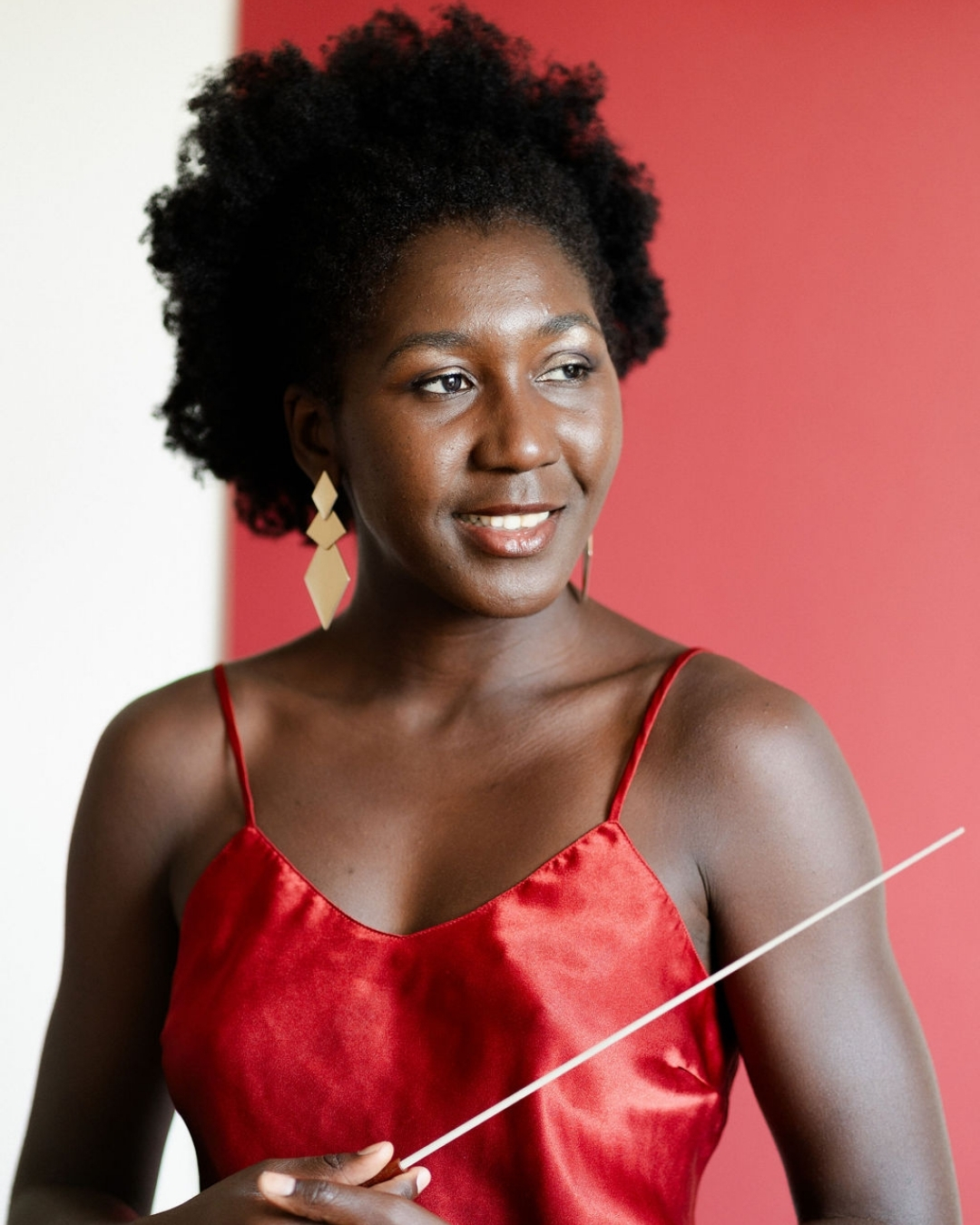
Conductor, composer, and organist Yudania Gómez Heredia is at the forefront of a new generation reshaping concert music. Drawing from both the European sacred music tradition and her Afro-Cuban heritage, her work creates a language rooted in history while looking toward the future.
Artist Playbook caught up with the Harrison Parrott artist to explore tradition as a force for new creation.
“Music builds bridges that words cannot.”
Your career spans conducting, composition, organ performance, and Afro-Cuban traditions. When did they become one artistic voice?
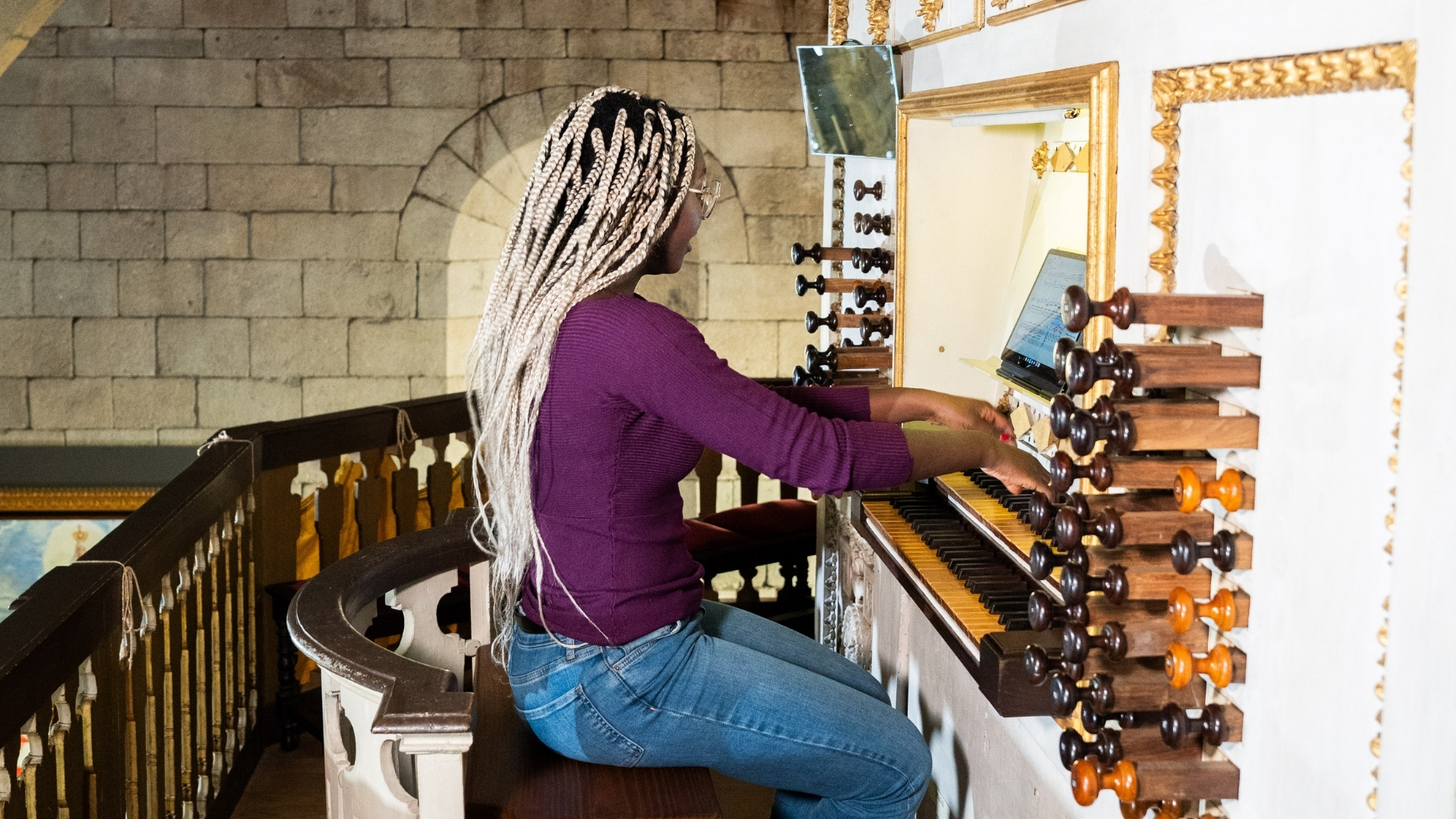
My influences became one artistic voice over time. Each stage of my education added a new perspective. Studying sacred music in Regensburg shaped my life as an organist, while becoming immersed in choral conducting inspired me to compose my Afro-Cuban Mass. Over time, those influences merged into a single artistic identity.
What has moving between different cultural traditions taught you?
Every tradition has its own language, yet all express the fundamental human condition. Working with musicians from different countries has shown me that curiosity and respect matter more than shared backgrounds. You don’t have to come from the same place to understand one another. You simply have to be willing to listen.
What has your work on the podium as a conductor taught you about leadership?
Leadership is not about control. It’s about creating trust. My responsibility is to bring people together, build confidence, and create the conditions for artists to do their best work. Conducting has taught me that individual excellence only becomes meaningful when it is transformed into a shared experience.
How do you honor the past while creating something new?
Tradition and innovation depend on one another.
We can only challenge a tradition after first taking the time to understand it deeply. The score, historical context, and composer’s intentions deserve respect, but they are only the beginning. Music stays alive because every generation brings new questions and new ways of listening.
What do you hope the next generation of musicians has the courage to do?
I hope they have the courage to be authentic. There is constant pressure to follow established paths, but our greatest strength lies in embracing what makes each of us unique.
Stay curious, collaborate across cultures, and remember that music is about communication. Technical excellence matters, but audiences remember the human connection.
Register for the chance to be invited to apply to The Global Artist Diploma