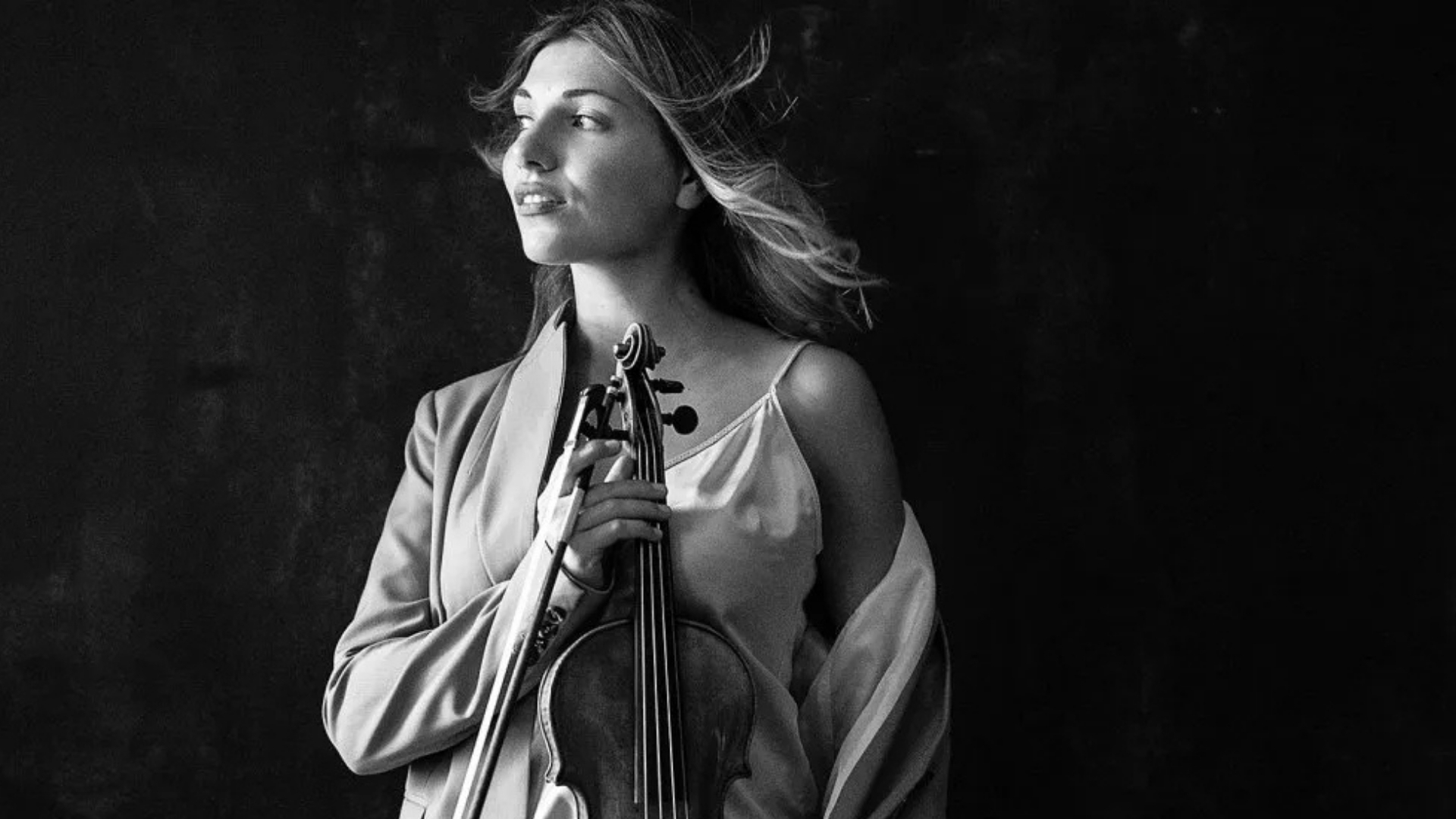
Since winning the Long-Thibaud-Crespin Competition, Diana Tishchenko has emerged as an ambassador for her instrument and the versatile culture of her land of origin.
Artist Playbook caught up with the acclaimed violinist to talk about perseverance, audiences, and what composers reveal about their own time.
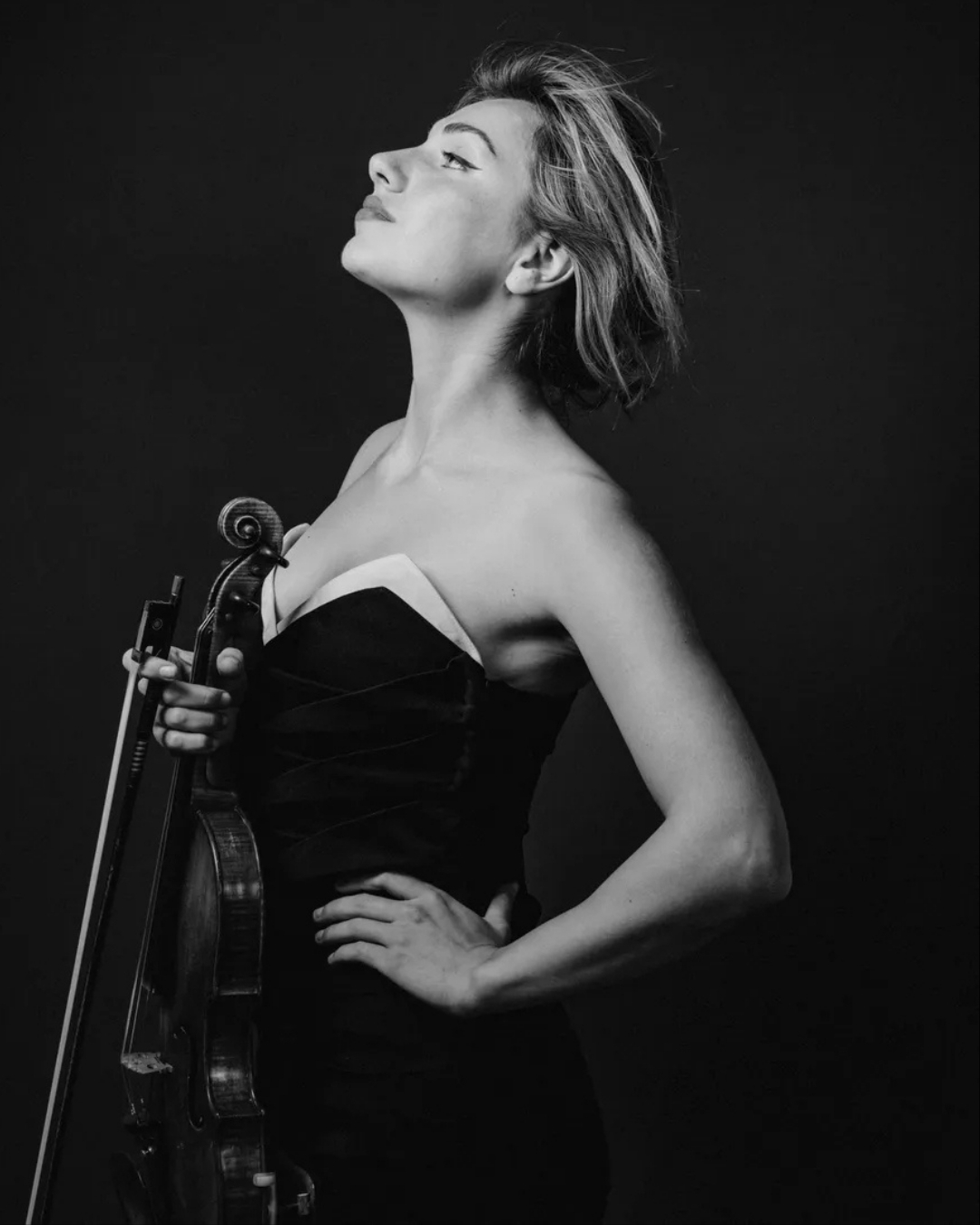
“What matters most to me is hearing the silence around the music. It electrifies the room.”
When did you fall in love with music?
My childhood was the 1990s, a hard time across the former Soviet Union. The system was in chaos, people were losing everything, and everyone had to survive From the start, the violin felt like a calling. In my family, anything you did was taken seriously, so music never felt like just lessons.
How have your Crimean roots shaped your musical voice?
Crimea is a jewel, a place shaped by the heritage of many cultures that I hope more people will discover. My grandmother arrived there in the 1930s, escaping the Stalin-era famine in the Odesa region.
A large part of my family comes from Odesa, and the musical part of me comes from there, too.
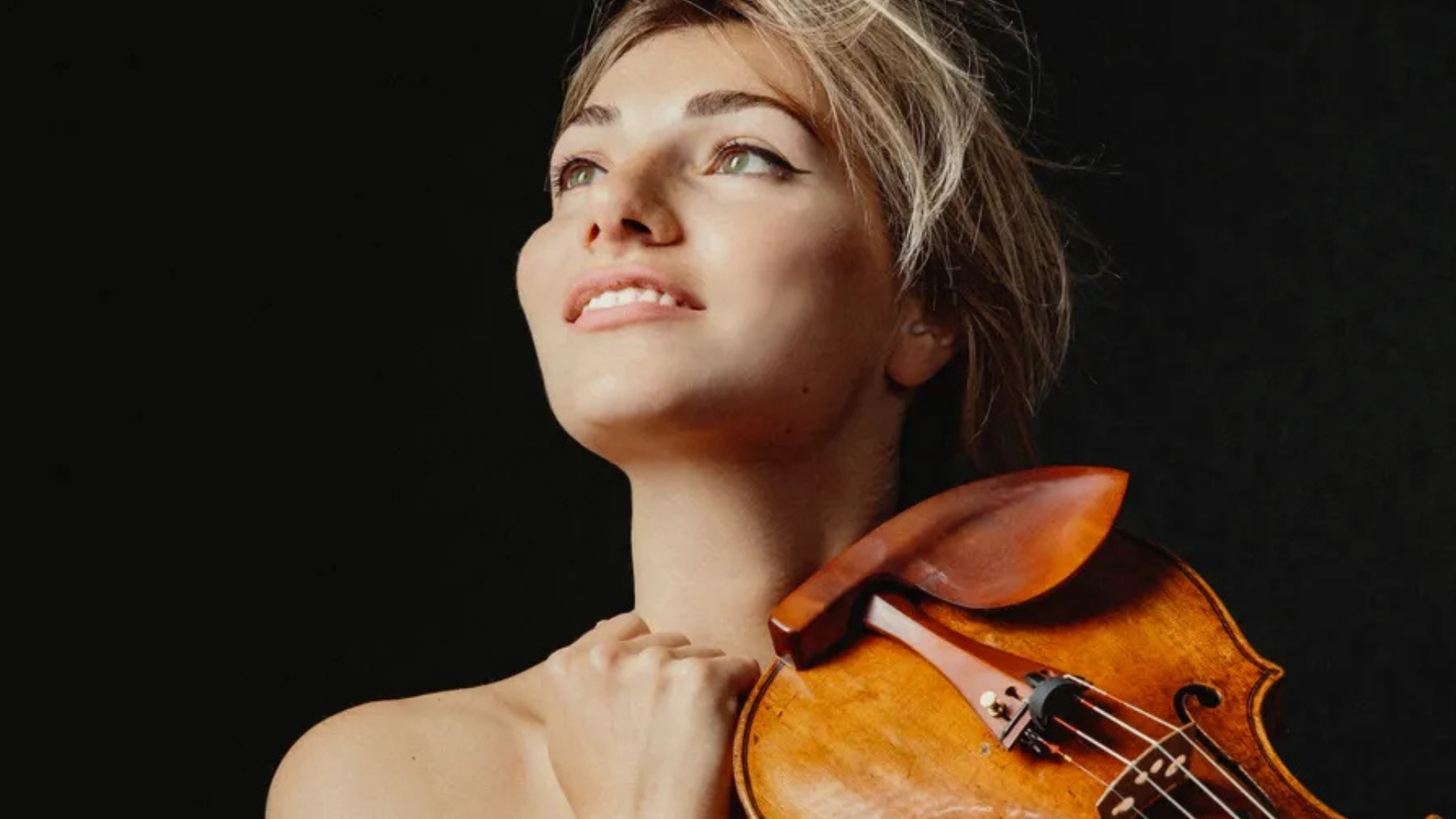
How do you stay connected to emotions in the music, like love and grief when performing for thousands?
Expression is the easy part for me. When you live through those emotions, the audience naturally comes onto the same wavelength. You cannot keep your distance. The stillness between the notes is the best sign that everyone is in the moment.
What changes when you work directly with a living composer?
Working directly with a composer is invaluable. You become conscious that the circumstances of the world influence their writing in real time. That is something we are often unaware of when playing a piece written a very long time ago.
What advice would you give a rising artist building a life in music?
Stay a good human being, no matter what. Study music as a whole, not only your instrument. And if you can, avoid competitions.
Register for the chance to be invited to apply to The Global Artist Diploma