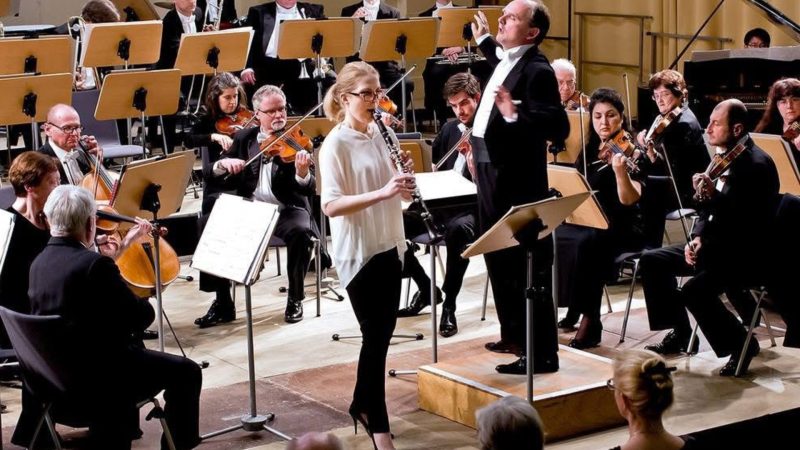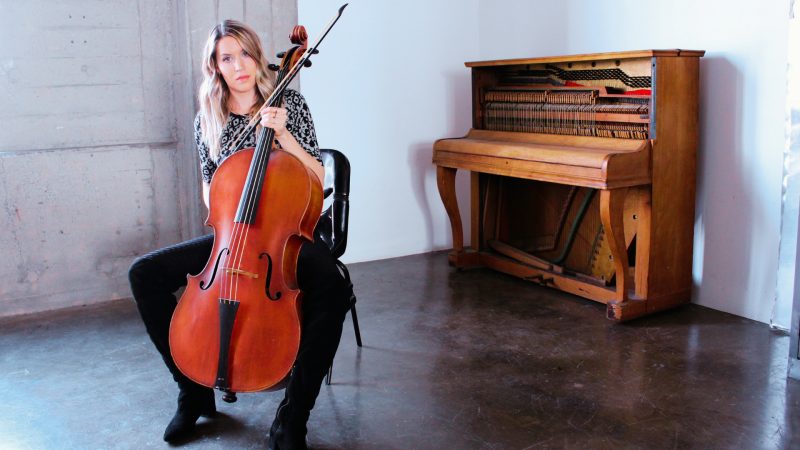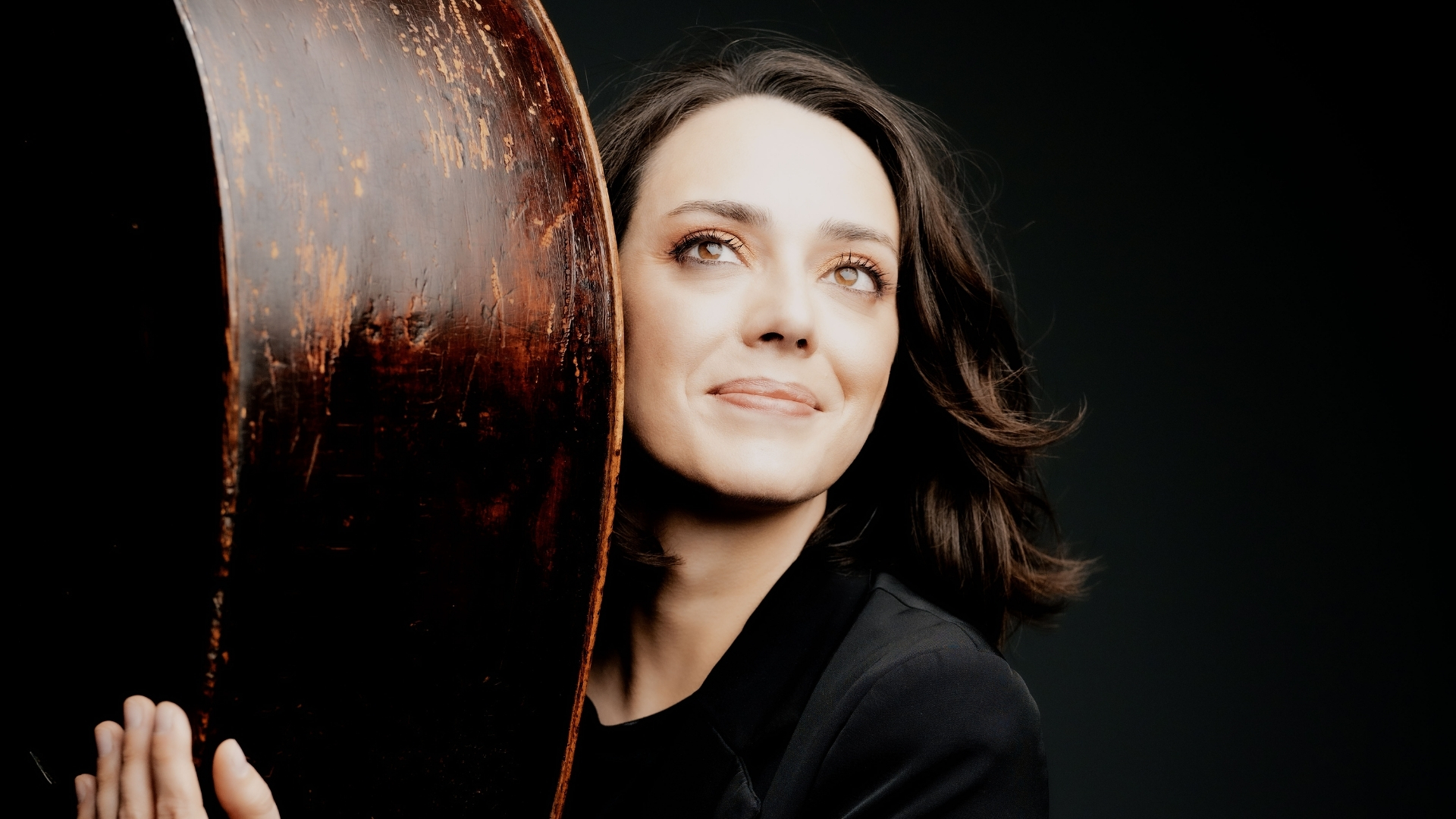
Uxía Martínez Botana has built one of the few international solo careers ever led on double bass.
A soloist, chamber artist, and creative trailblazer, the Galician musician is redefining the role of her instrument for a new generation.
Artist Playbook caught up with Martínez Botana to talk about barriers, instinct, and using the past to shape the future.
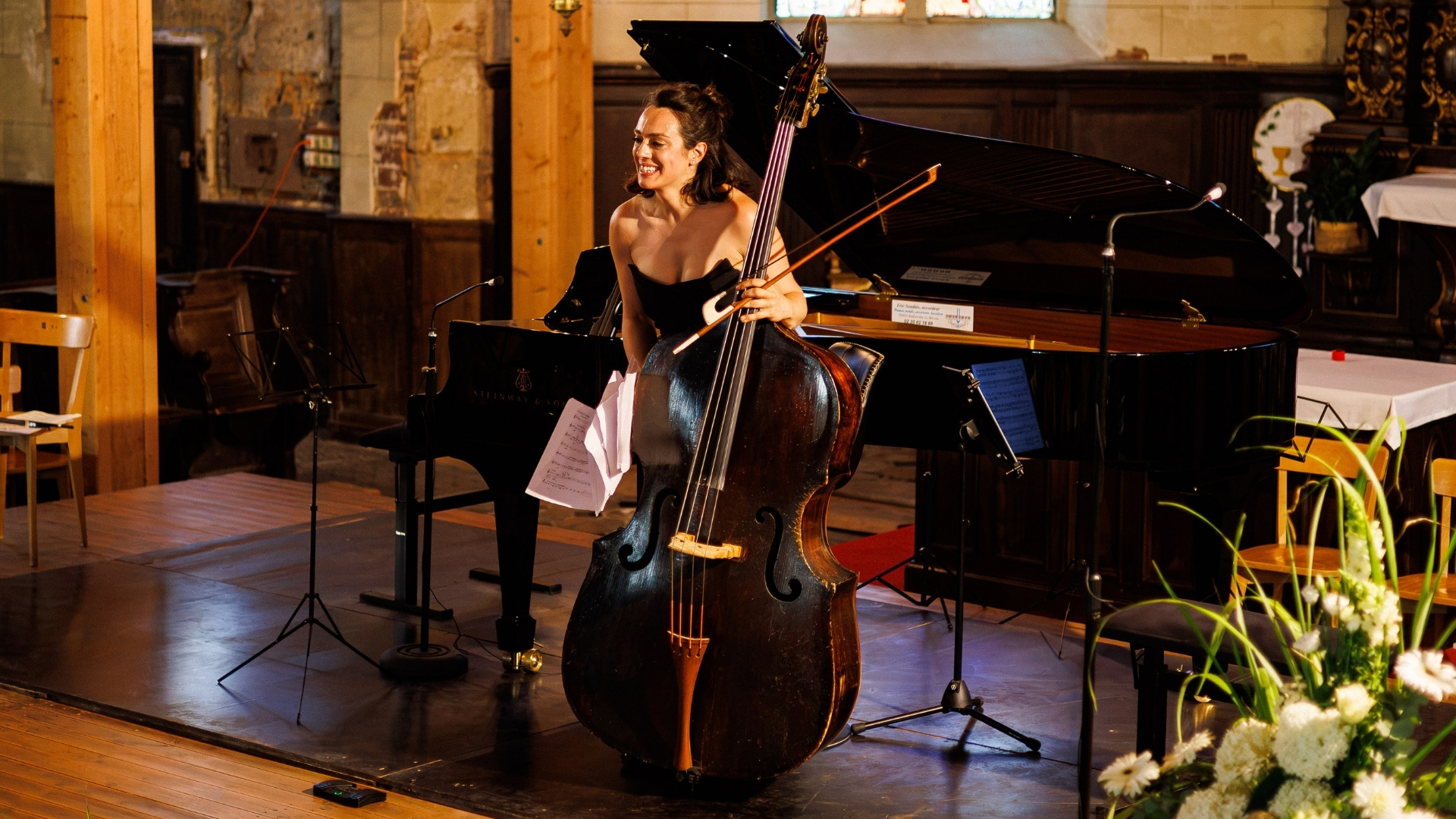
“I’ve never accepted the boundaries others place.”
Was there a moment you discovered that the double bass had more to offer?
Building a clear vision takes years of preparation, not a single moment of decision. I’ve never accepted the limits others place on the double bass. I’ve always believed there’s more to discover. I’m a restless believer in growth, searching for new possibilities for the instrument and our field as a whole.
What’s been the toughest part of challenging expectations?
The hardest part is asking people to step outside their comfort zone.It isn’t easy, and it isn’t for everyone. But seeing the young musicians I work with grow in confidence, shift their mindset, and go on to find their own success has made every challenge worthwhile. I’m grateful for that path.
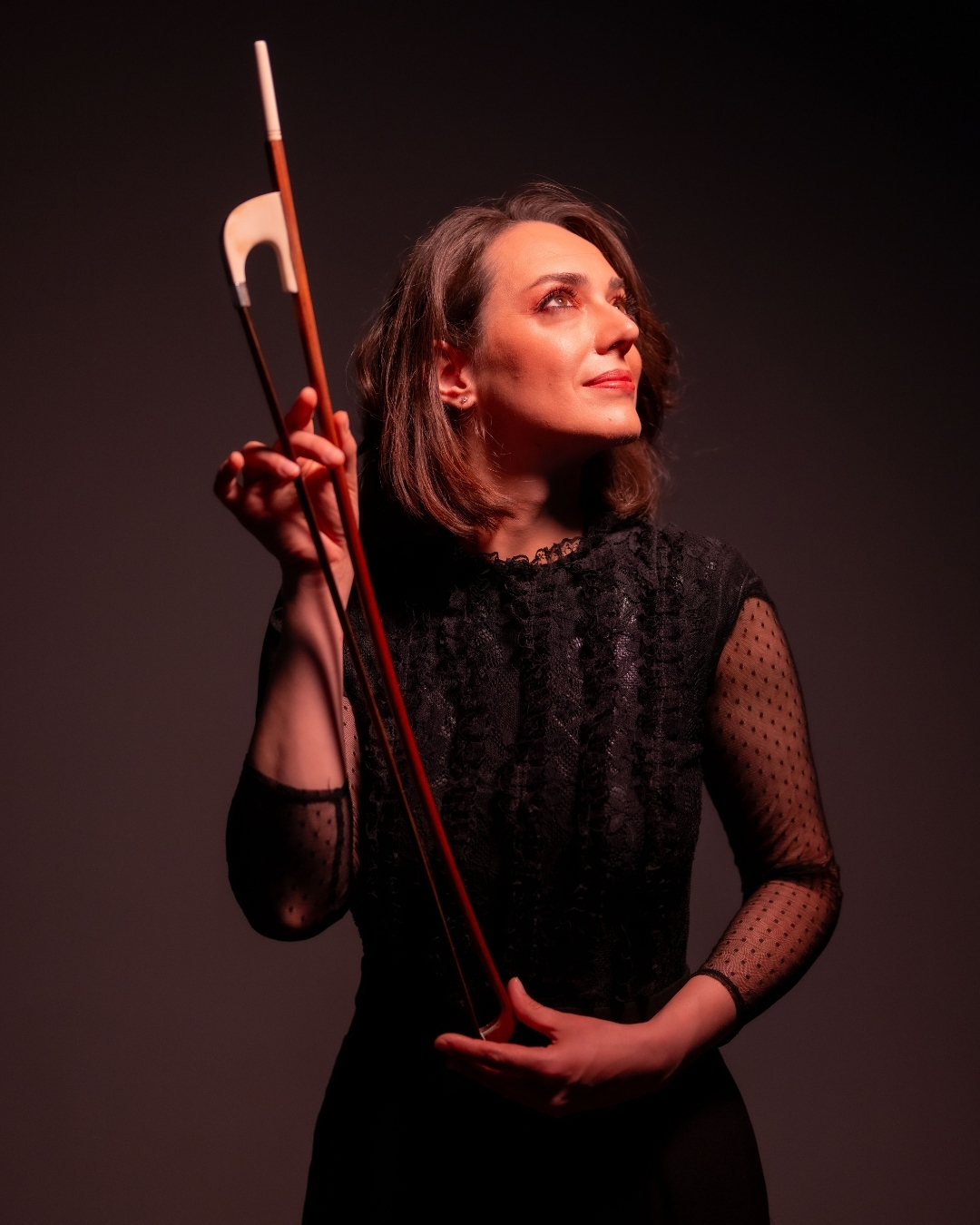
How do you decide which projects are worth pursuing?
I let pure instinct and intuition guide my decision-making. Even if that sounds a little crazy, I’ve learned to trust that inner voice. It has guided the most important decisions in my life and career.
How does performing on an eighteenth-century Montagnana change you?
Every instrument teaches you something, the same way people do.
I perform on three distinct double basses, each with its own character. The Montagnana feels closest to my own personality, almost a mirror. It’s teaching me about myself, and that isn’t always an easy lesson.
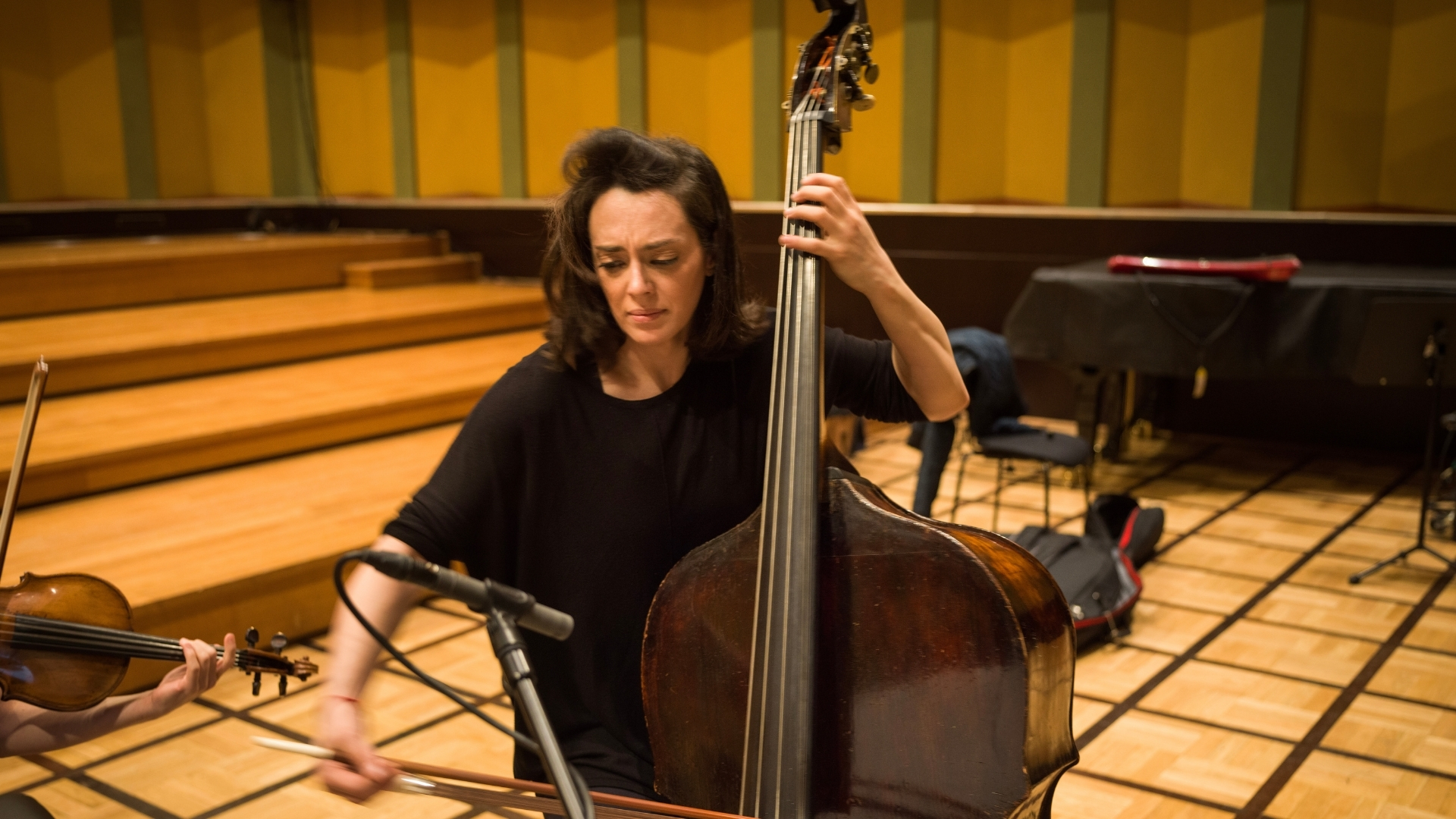
What can the recording studio give an instrument’s identity that live performance can’t?
Nothing replaces the real thing. Recordings let people experience music even when they can’t come to a concert. But hearing music performed live is a completely different emotional experience. That’s why so many of my albums are concert recordings. Technology shares those moments. It doesn’t recreate them.
If you could hand technology one challenge in classical music to solve, what would it be?
I believe technology can make truly inspiring education accessible to everyone, wherever they are. Great training isn’t just fundamentals. It’s access to mentors with different backgrounds, perspectives, and visions. Combining digital-first learning with in-person experiences has the potential to transform the future of our field.
Register for the chance to be invited to apply to The Global Artist Diploma