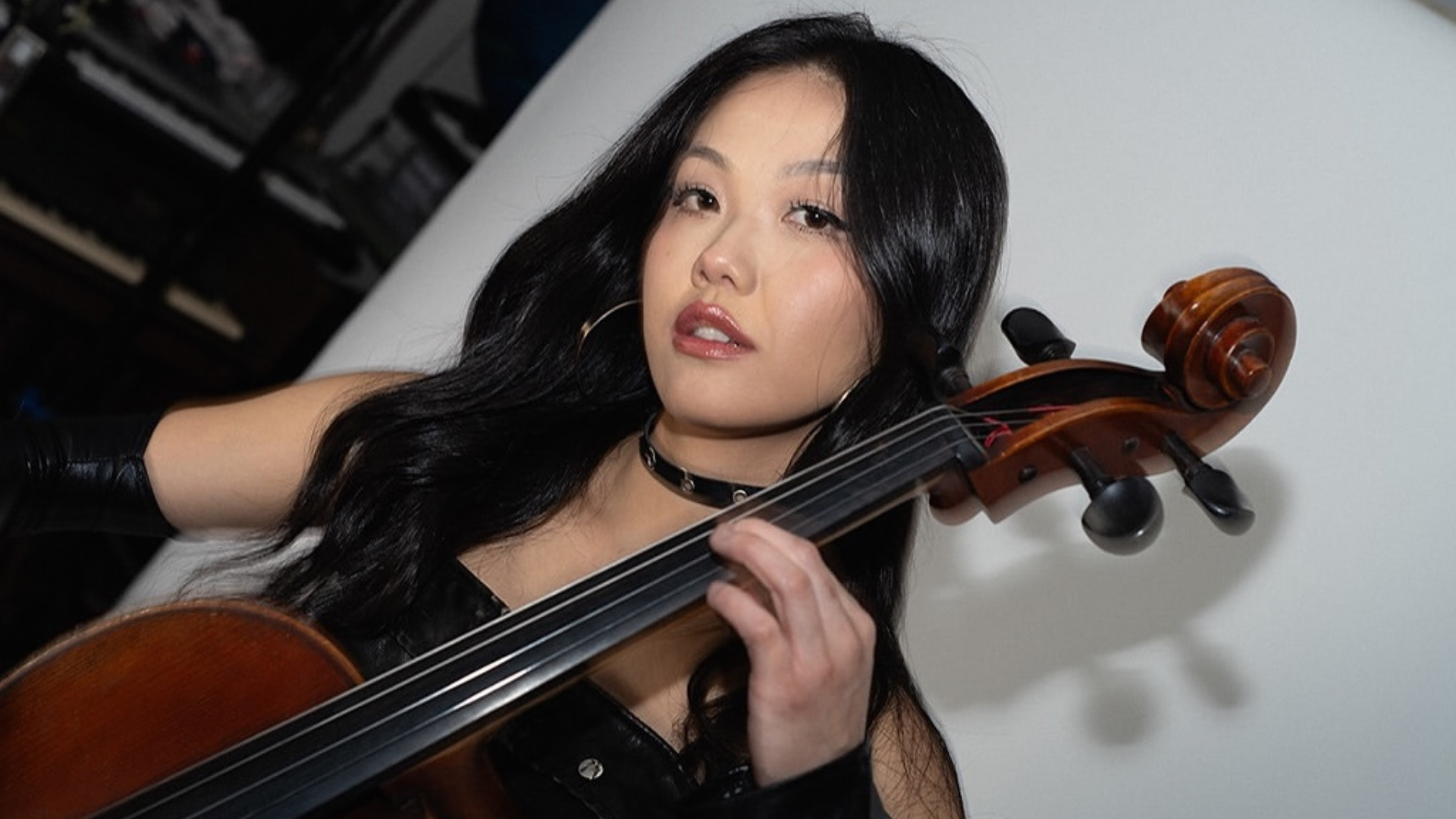
Hmong-American cellist Mimi Yang trained on the traditional classical path before stepping away from the instrument entirely. K-Pop created a path back. By reimagining the genre’s songs, choreography, and visual culture through her instrument, Yang has helped an entirely new community of music fans fall in love with the cello.
Artist Playbook caught up with the category-defying musician to explore the story behind her viral reels.
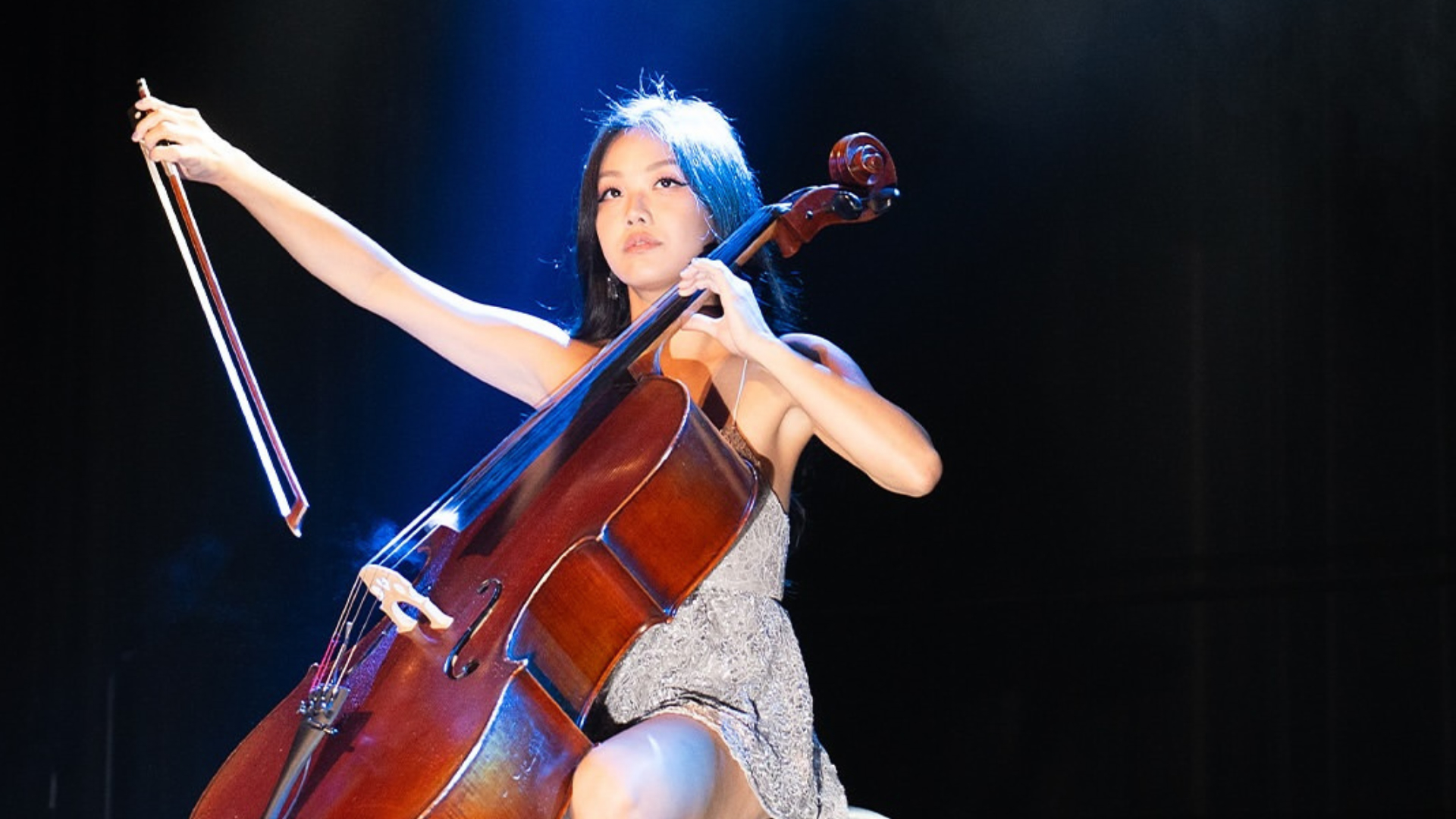
How did you first discover the cello?
When I was six, I attended my older sister’s high school orchestra concert, which was Disney-themed for kids. They had an instrument table where you could wait in line and try anything you liked. I had my eye on the big one: the cello. I learned “Twinkle, Twinkle, Little Star” and fell in love with the instrument from that day on.
Your musical world is deeply rooted in K-pop. What have you discovered about the cello by taking it beyond traditional repertoire?
I followed the traditional classical route and earned my degree in cello performance. Still, during those years, I developed a difficult relationship with the instrument and eventually stopped playing for a time.
Discovering K-pop brought me back. I realized the cello could live naturally in many different kinds of music and connect with both classical and non-classical listeners.
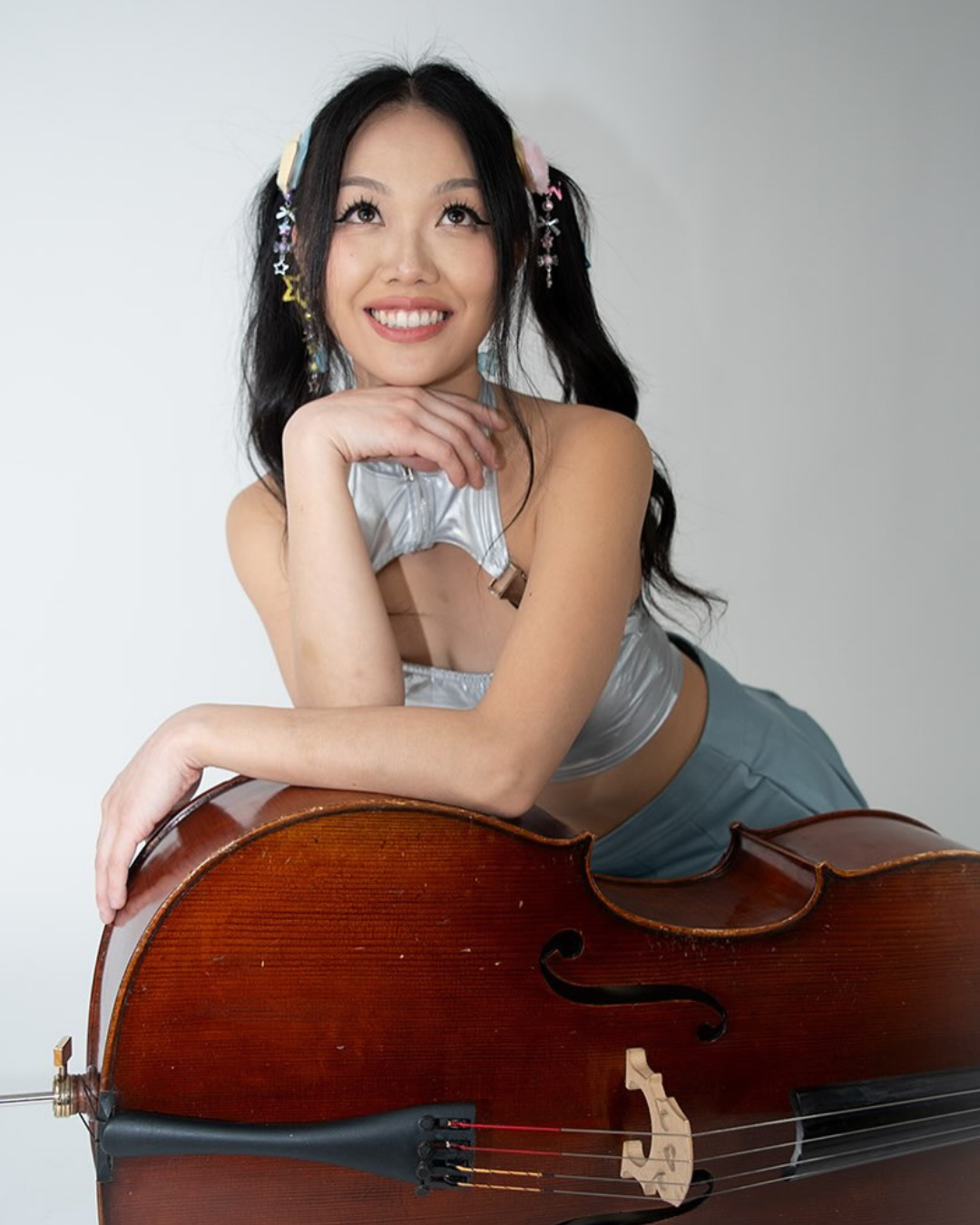
You’re also a dancer. Does experiencing music physically change the way you phrase or perform on the cello?
Dance made me much more conscious of how my body moves when I play. At first, music helped me dance because I needed to count each beat to learn the choreography. As I learned more about movement and how to isolate different parts of the body, dance began to help my cello playing, too. I became better at recognizing what feels off, why it feels that way, and how to correct it.
How has being a Hmong artist shaped the way you think about your work?
It reminds me of the freedom I have to choose music as my path. Being a Hmong artist keeps me mindful of the strength and resilience of the generations before me. As a first-generation Hmong American, I know what my grandparents and parents went through so their children could grow up with opportunities they didn’t have. That perspective keeps me deeply grateful for the life I have as a musician.

What has building such a connected audience taught you about the journey of being a musician?
Without my community, I wouldn’t be where I am today. When I first started posting, I didn’t realize how many people shared my love for both classical music and K-pop. Finding that community gave me a sense that there was space for this combination after all. Their support keeps pushing me to play, experiment, and explore new ideas.