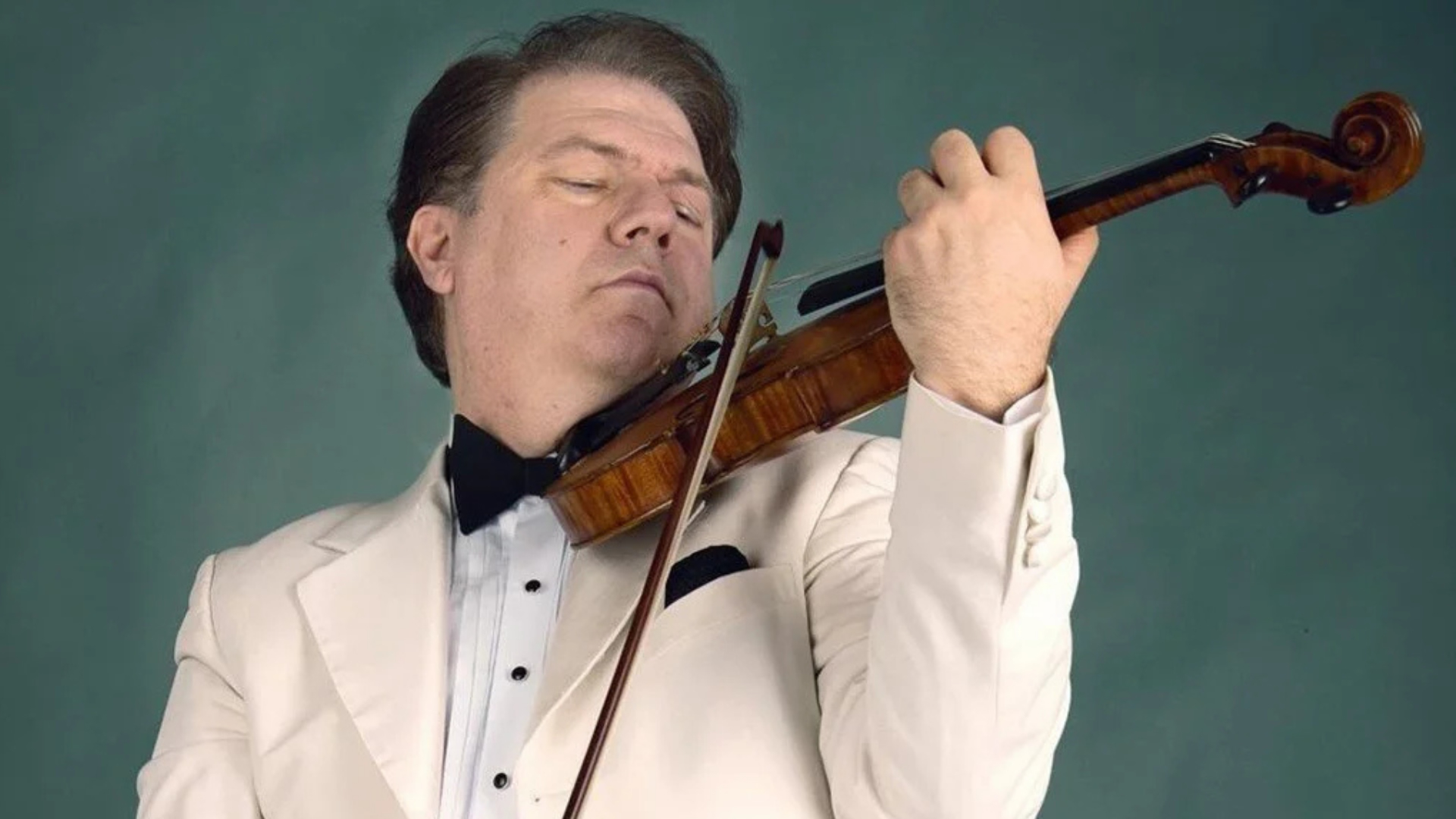
Violinist Cihat Aşkın has forged a career that goes far beyond performance. As a composer and founder of an institution, he connects traditions and creates pathways for rising generations.
Artist Playbook caught up with the Turkish virtuoso to explore creative freedom and how an artist’s role expands over time.
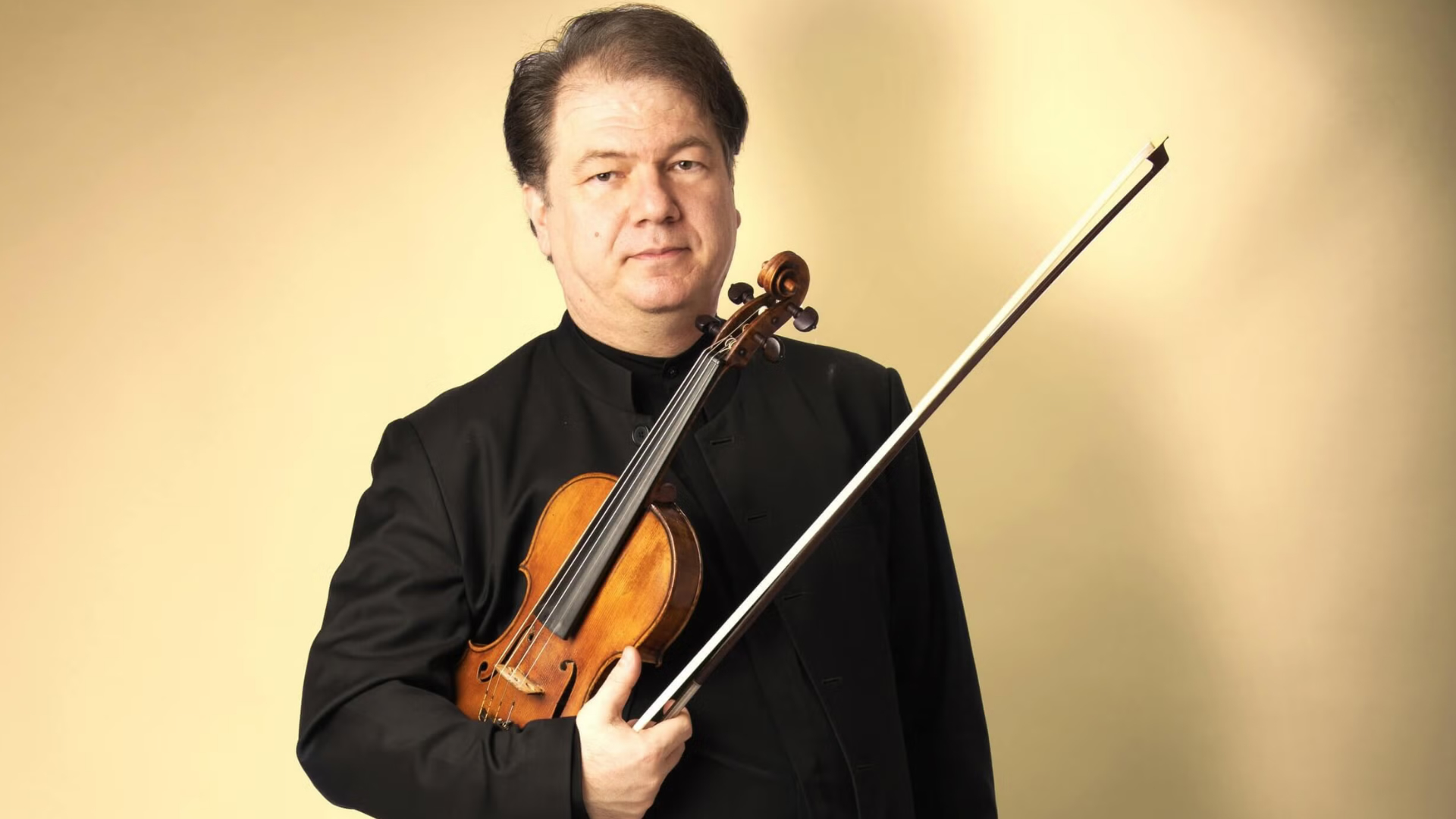
“I have never viewed Turkish music and the Western canon as separate worlds”
Your musical identity bridges Turkish traditions and the Western classical canon. How has this shaped your artistic voice?
Turkish music and the Western canon are different expressions of the same human need to remember, communicate, and belong. Bringing the architecture of Western classical music into dialogue with the colors, rhythms, and emotions of Turkish traditions has helped me develop a voice that is personal and rooted.
You compose alongside your work as a violinist. What does creating music add to your life as an artist?
I have never wanted to reproduce music. I want to recreate it. Like the free-spirited musicians of earlier generations, I see interpretation as a creative act. Composing and arranging deepen this freedom, allowing me to bring my imagination, experience, and cultural memory into everything I perform.
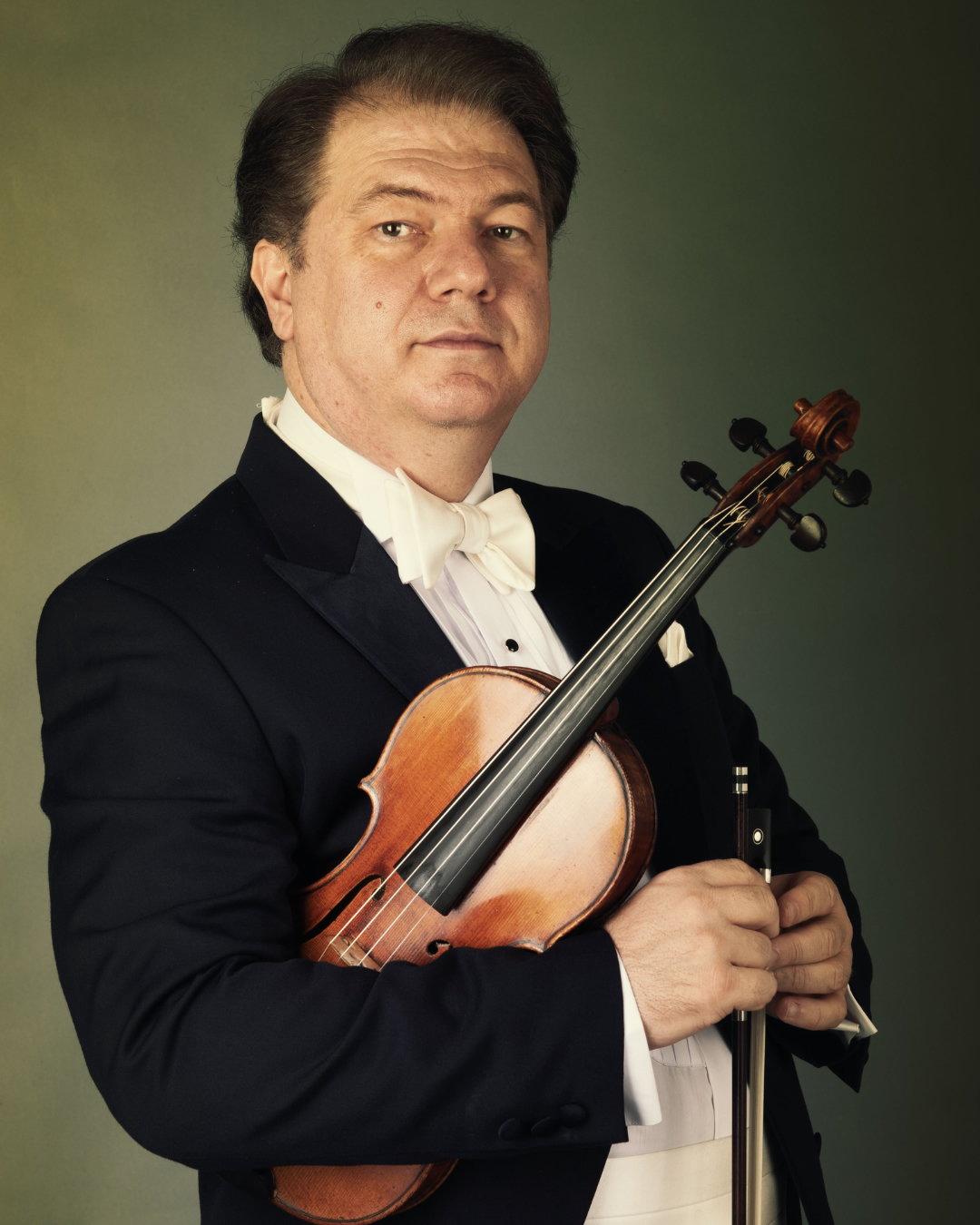
Through CAKA, Aşkın Academia, and your educational projects, you’ve helped shape the next generation. What do you hope young artists carry beyond technique?
Musicianship gains meaning when it is shared with others. I hope young artists develop curiosity, courage, and a strong sense of responsibility. A musician should not only master an instrument but also understand the society, cultural heritage, and human stories to which the music belongs.
How has founding ensembles, festivals, orchestras, and institutions shaped you as a musician?
Building projects has been a profound process of learning. My understanding of arts entrepreneurship grew through developing MIAM at Istanbul Technical University, an international doctoral program uniting music management, technology, musicology, performance, and composition.
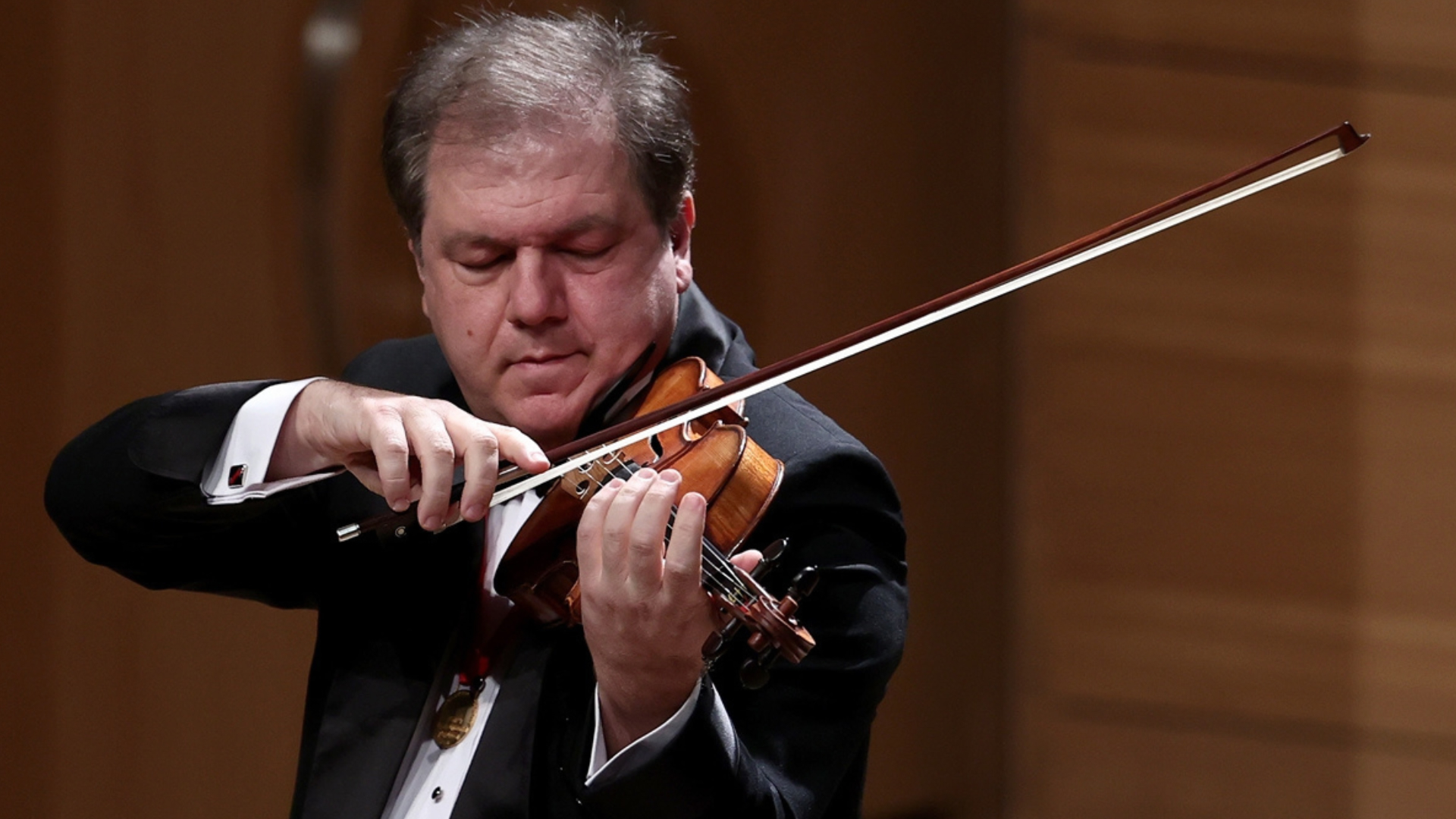
What do you understand about artistry today that wasn’t clear when you began?
Artistry is equally about listening and remaining open to change. When I was younger, I believed artistry was primarily about reaching the highest possible level of expression and mastery. Today, I understand that it is also about viewing every performance as an encounter with the audience, with one’s own time, and with something larger than oneself.