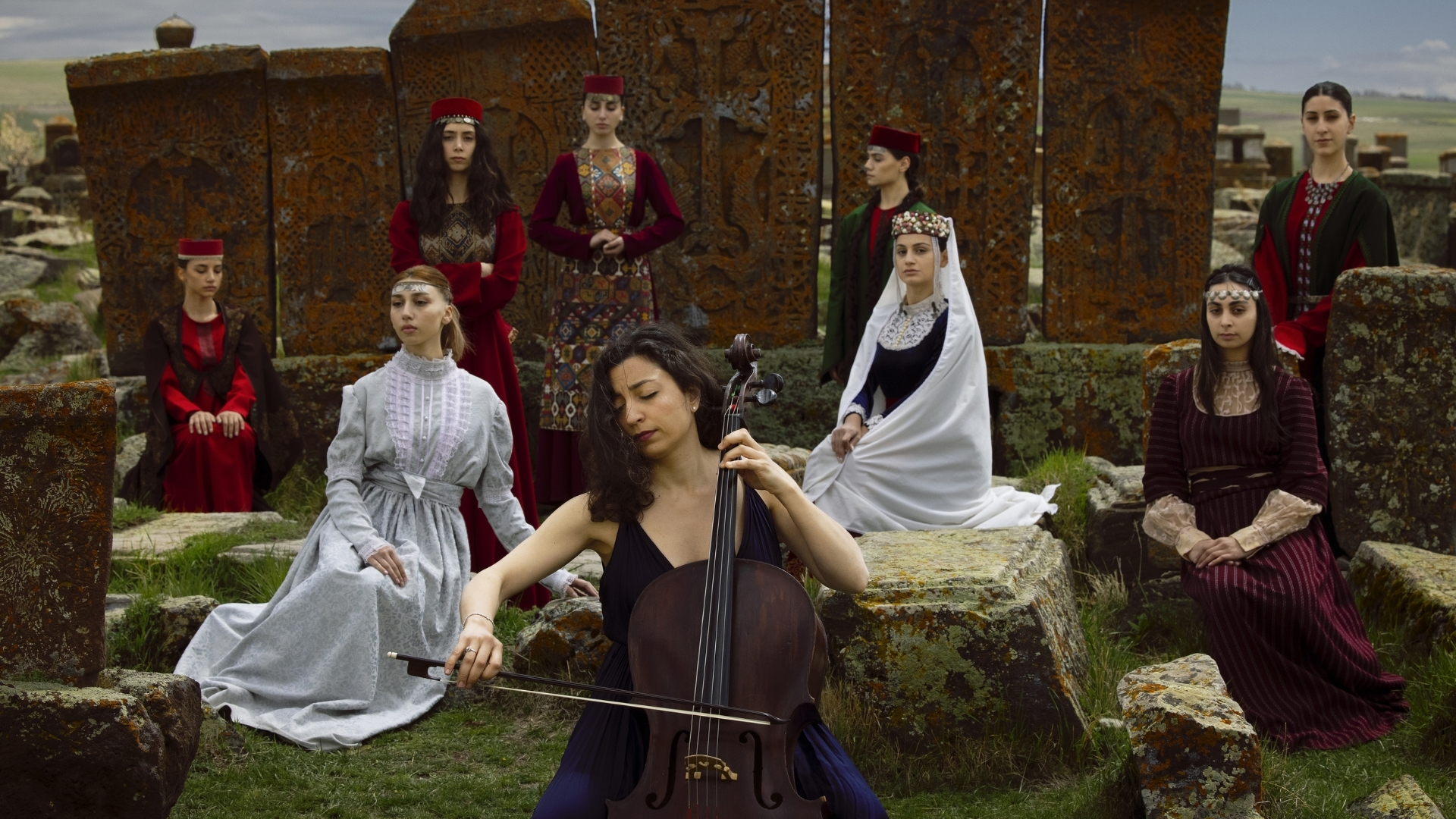
French-Armenian cellist Astrig Siranossian is making her mark as a soloist on the world’s great stages, from Carnegie Hall to the Berlin Philharmonie. Through her recordings, Siranossian has brought Bach, Armenian folk, cello, and voice into a language entirely her own.
Artist Playbook caught up with the Penderecki Competition winner to explore insights from her journey.
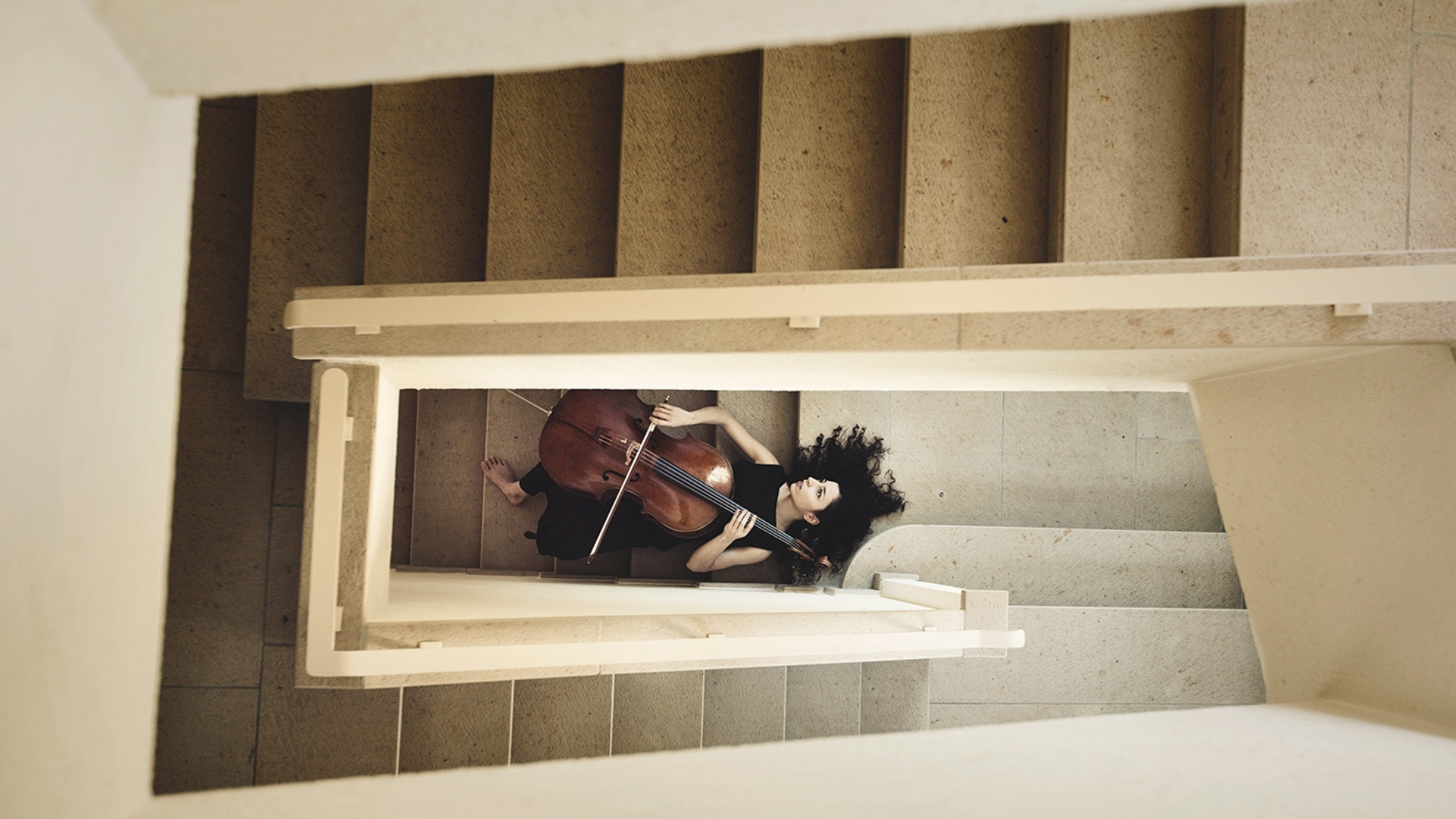
“The more you know, the more freedom you have to play.”
You grew up in France within an Armenian family. How has that dual heritage shaped you as a musician?
I sometimes feel I grew up with different musical passports, and luckily, no border control! France, and later Switzerland, gave me structure and a certain sense of elegance. My Armenian roots brought me rhythm, instinct, stories, and that irresistible need to sing. Somewhere around there, I found my own musical playground.
In your album Duo-Solo, you bring Bach together with Armenian folk music and your own voice. What did that project unlock for you?
Duo-Solo was probably the moment I decided to stop choosing.
Why should Bach, Armenian songs, my cello, and my own voice live in separate rooms? Bringing them together was not an easy step for me. I was going into a very risky world, but it also taught me that music goes where it wants to go.
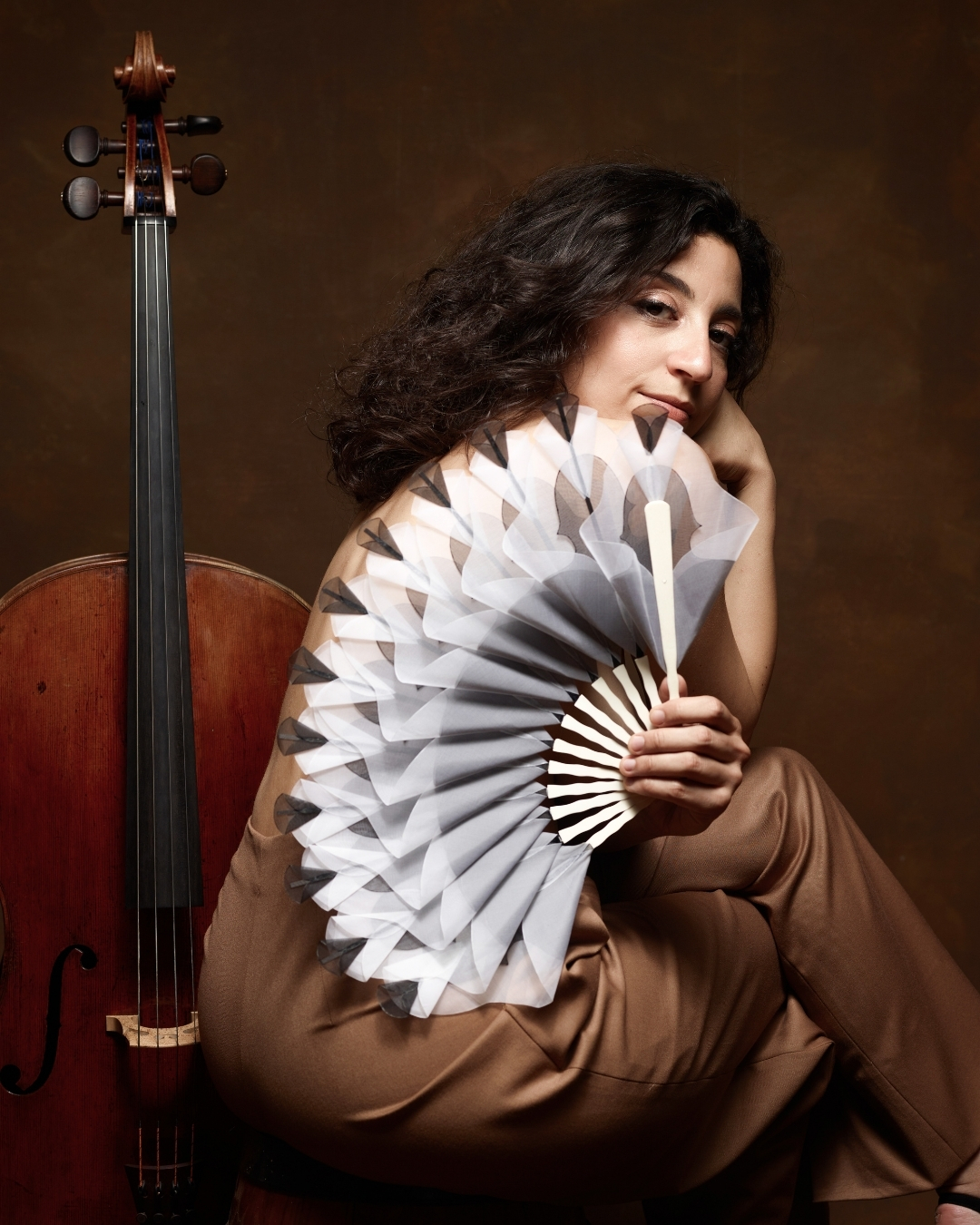
You’ve performed with legends like Barenboim, Argerich, Rattle, and Yo-Yo Ma. What have those encounters revealed to you about great artists?
Greatness is surprisingly light. These artists taught me that they remain curious, playful, and ready to be surprised. Perhaps that is the secret: the more you know, the more freedom you have to play.
How has your work behind the concert stage changed how you see your role?
Music is much more fun when you open the doors and invite others in. My favorite place is the stage, and I love performing more than anything else. But I discovered that creating a festival, teaching, or bringing music somewhere unexpected can give me the same butterflies as walking onto a concert platform.
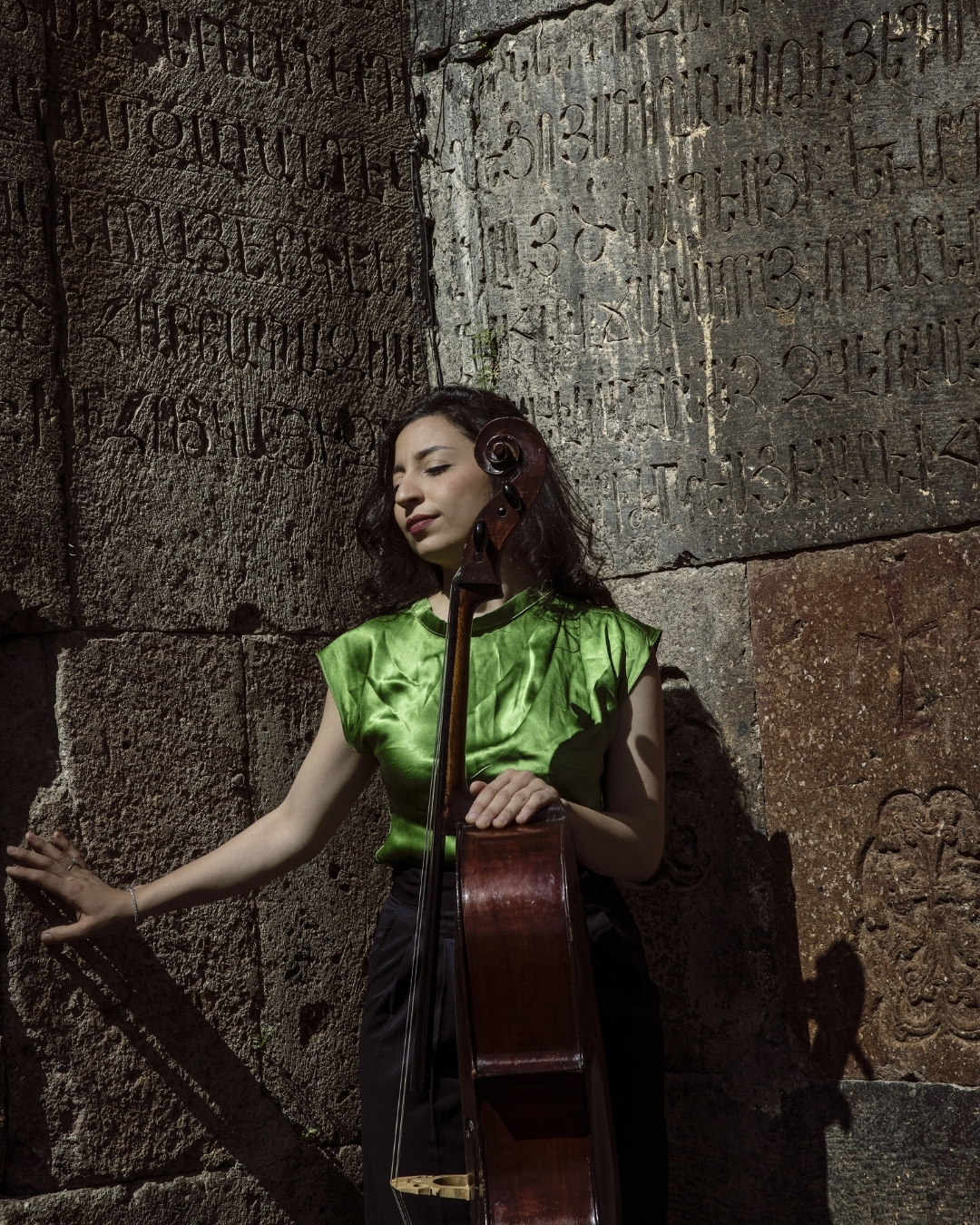
What do you understand about becoming an artist now that you didn’t when you were starting out?
When I was young, I thought becoming an artisan of music meant adding things: more technique, more knowledge, more concerts, more everything. Now it is almost the opposite. You spend years taking things away until you find what is really yours. And hopefully never lose the pleasure of being surprised along the way.
Register for the chance to be invited to apply to The Global Artist Diploma