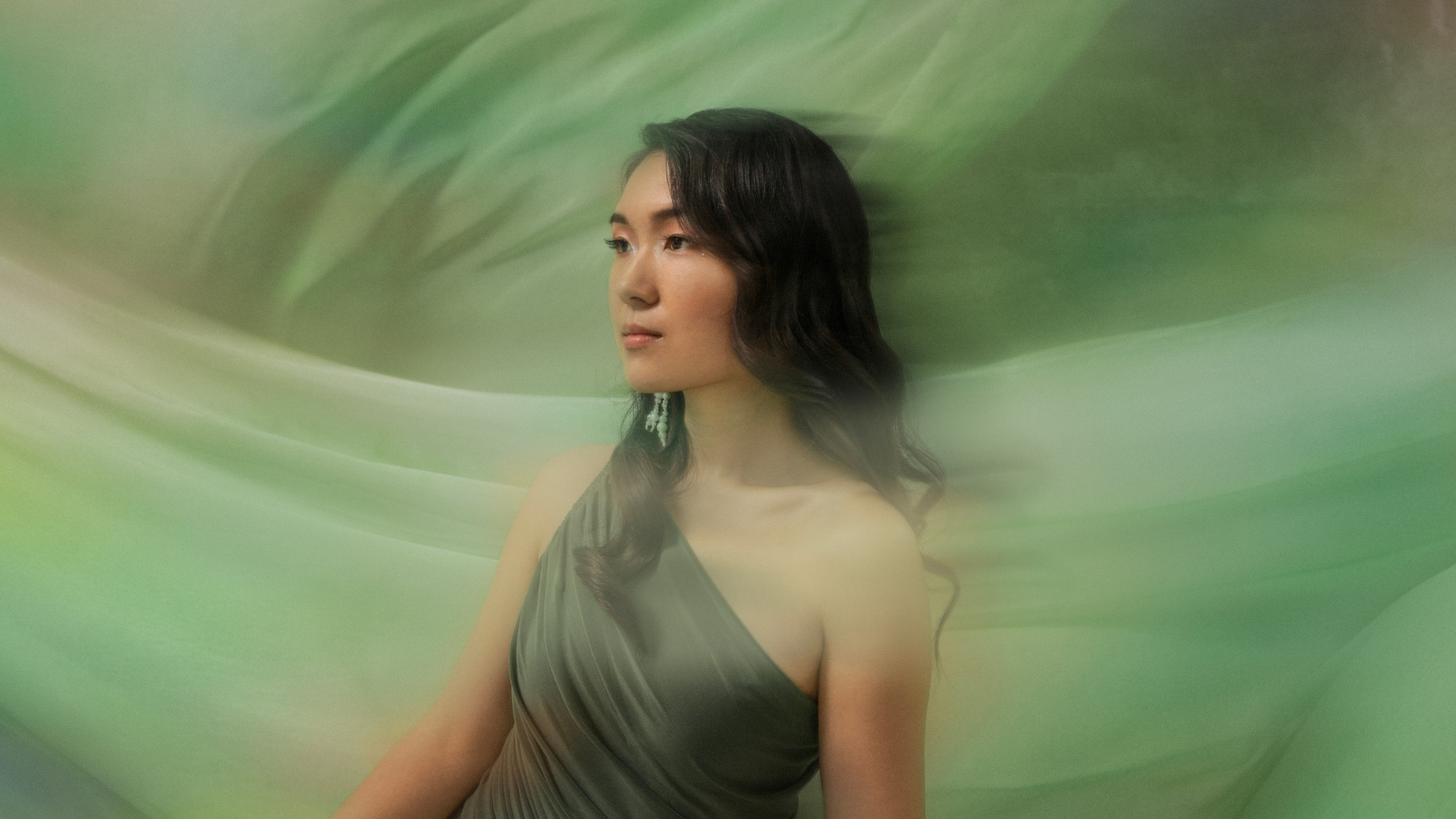
Indonesian composer and pianist Eunike Tanzil writes music that is as likely to be performed by the Boston Symphony or Royal Philharmonic as it is to appear in film or as sketches on social media.
Artist Playbook caught up with the Deutsche Grammophon artist to explore how an inner sound world becomes music.
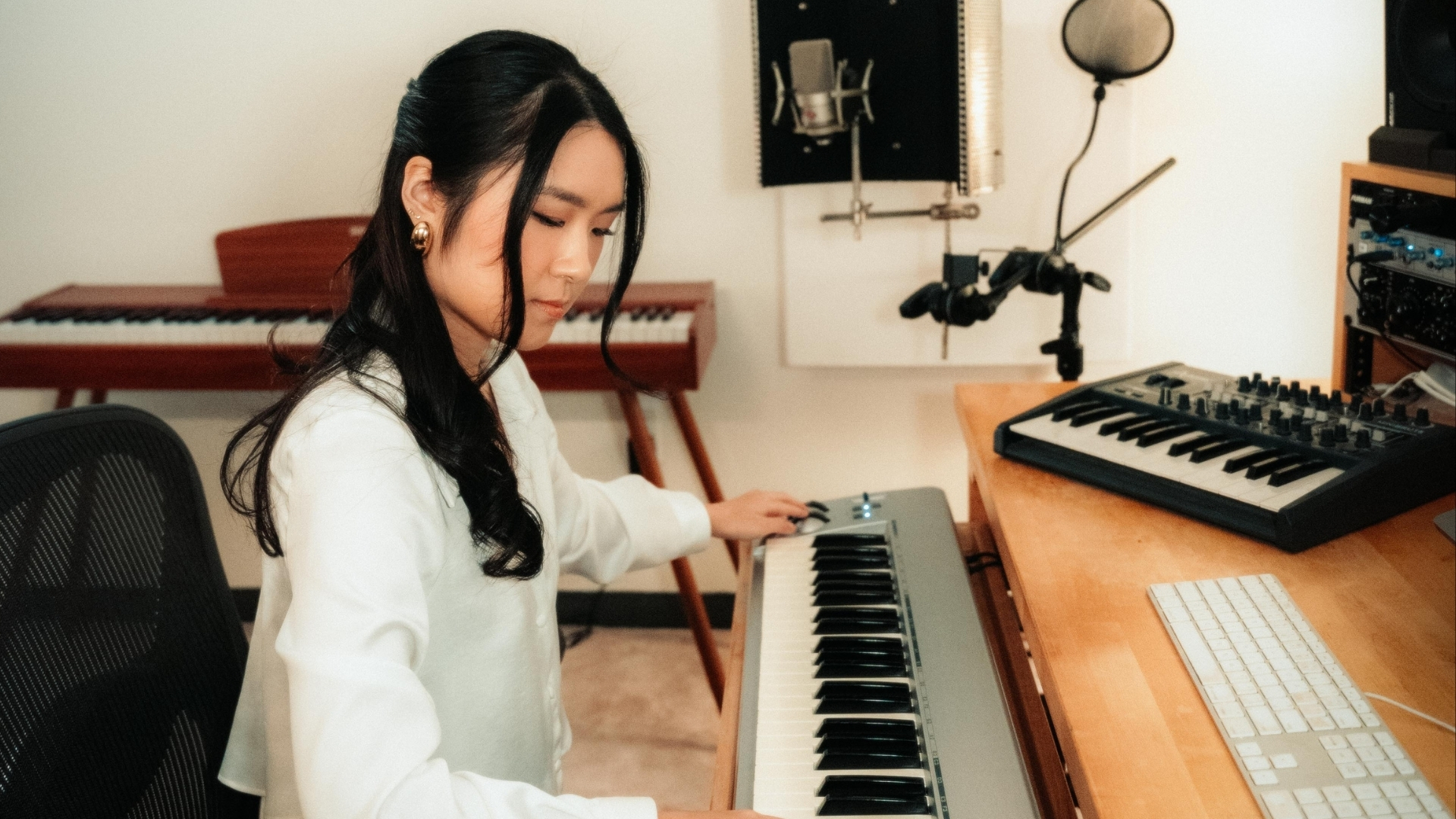
You started with piano as a child. How did that early experience shape the composer you are today?
The piano became my playground. My interest in composition began when I started improvising my favorite classical tunes on the piano. As a child, I found it very fun and liberating to experiment with different harmonies and styles, and eventually create my own melodies.
Film music helped inspire you to take composition seriously. What did soundtracks reveal about what a composer could do with sound?
A composer can build an entire world through sound. Film music made me realize how powerful music can be as a storytelling medium. It can make us feel something before we even understand why. It showed me that a composer can build an entire world and connect with an audience emotionally through sound.
You wrote the melody for Remembering at 16, after the loss of your grandmother and carried it with you for a decade before finally sharing it. What usually starts a piece for you?
It always starts with a feeling. That emotion usually finds its way into a melody. I then use tools like harmony and orchestration to communicate what I’m trying to say. At the end of the day, the audience might forget the exact notes, but they will remember how the music made them feel.
Your work can move from intimate textures to sweeping orchestral writing. When you start a piece, do you already hear its scale, or do you discover it as you go?
I usually hear the musical direction first. I usually have a sense of the sound world I want to convey before writing a single note. Whether it’s dreamy, nostalgic, dramatic, or something more intimate, I hear the musical direction first and then develop the sound palette and details as I write.
For a young composer trying to find a voice of their own, what is something you’ve learned about the process?
Finding your voice takes time. You don’t have to have it all figured out right away. Keep exploring, stay curious, and allow yourself to evolve authentically. The more honestly you create, the more naturally your own voice will emerge.
Register for the chance to be invited to apply to The Global Artist Diploma